×
×
Preserving the vibrant color and distinctive tart flavor of frozen lingonberries requires proper storage techniques that maintain their nutritional value and culinary versatility. These Nordic berries, prized for their antioxidant properties and unique taste profile, demand specific handling methods to ensure optimal quality throughout extended storage periods. Understanding the science behind berry preservation helps food service professionals, retailers, and home cooks maximize the shelf life and sensory characteristics of these valuable frozen fruits.
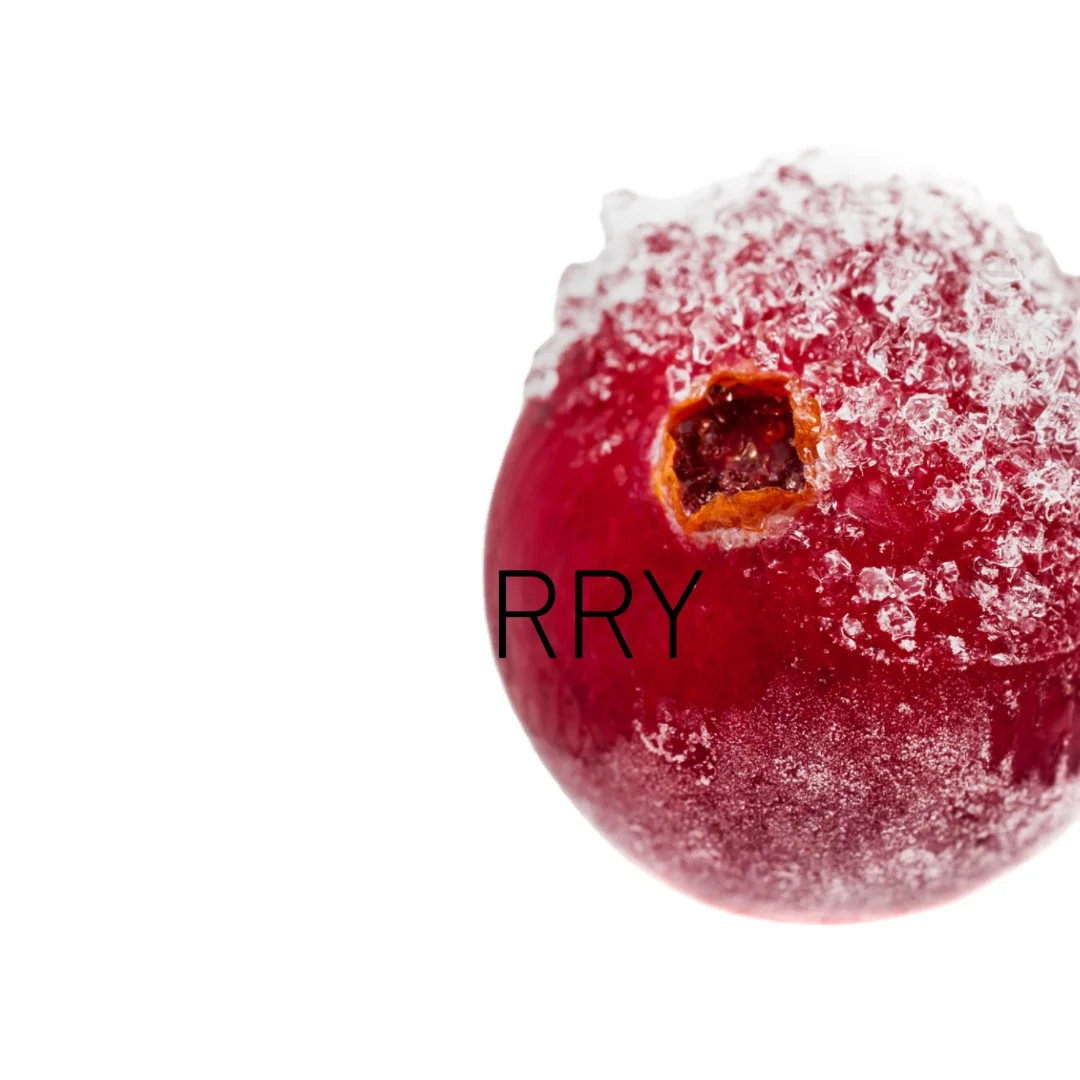
The cellular structure of lingonberries contains high levels of anthocyanins and other phenolic compounds that contribute to their characteristic deep red coloration and health benefits. When properly frozen and stored, these compounds remain stable for months, maintaining both visual appeal and nutritional integrity. However, improper storage conditions can lead to color degradation, texture changes, and flavor loss that significantly impact product quality and consumer satisfaction.
The foundation of successful frozen lingonberry storage begins with maintaining consistent temperatures at or below negative eighteen degrees Celsius. Temperature fluctuations cause ice crystal formation within berry cells, leading to cellular damage that affects both texture and flavor release. Commercial freezers equipped with precise temperature controls provide the most reliable environment for long-term storage of frozen lingonberries.
Regular temperature monitoring using calibrated thermometers ensures storage conditions remain within acceptable parameters. Temperature logs help identify patterns or equipment issues that could compromise berry quality. Food safety protocols require maintaining frozen lingonberries at temperatures that prevent bacterial growth while preserving the berries' natural characteristics and extending their usable shelf life.
Minimizing exposure to ambient temperatures during handling prevents partial thawing that can damage cellular structure. Quick transfer methods between storage locations reduce temperature shock that causes quality degradation. Professional food handlers use insulated containers and implement time limits for frozen lingonberry handling to maintain product integrity throughout distribution chains.
Temperature shock creates conditions for ice recrystallization, which enlarges ice crystals and damages berry cell walls. This damage releases cellular fluids that contain flavor compounds and nutrients, resulting in mushy texture and diminished taste quality. Proper handling protocols preserve the firm texture and concentrated flavor that make frozen lingonberries valuable ingredients in various culinary applications.
Effective packaging creates barriers against oxygen exposure and moisture migration that contribute to quality deterioration. Vacuum sealing removes air contact that causes oxidation of color pigments and flavor compounds in frozen lingonberries. Professional vacuum sealers create airtight environments that preserve berry quality for extended periods while preventing freezer burn that affects appearance and taste.
Specialized barrier films designed for frozen food applications provide superior protection against environmental factors. These materials resist moisture transmission and oxygen permeation while maintaining flexibility at freezer temperatures. Multiple packaging layers create redundant protection systems that ensure frozen lingonberries maintain their quality characteristics throughout extended storage periods.
Dividing frozen lingonberries into appropriate portion sizes reduces repeated exposure to ambient conditions during use. Smaller packages limit the quantity of berries exposed to temperature changes when accessing stored inventory. This approach maintains quality consistency across the entire storage supply while providing convenient serving sizes for various applications.
Rigid containers offer protection against physical damage that can break berry skins and compromise product presentation. Food-grade containers designed for freezer use maintain structural integrity at low temperatures while providing secure closures that prevent contamination. Container selection influences both storage efficiency and product protection throughout the supply chain.
Regular visual assessment identifies early signs of quality degradation that require corrective action. Color changes, ice crystal formation, and physical damage indicators help determine when storage conditions need adjustment. Systematic inspection schedules ensure consistent monitoring of frozen lingonberries throughout their storage lifecycle.
Documentation of visual observations creates quality trends that inform storage optimization decisions. Photographic records provide baseline comparisons for evaluating storage effectiveness over time. These monitoring systems help identify the optimal storage duration for maintaining premium quality in frozen lingonberries while minimizing waste from quality deterioration.
First-in-first-out rotation systems ensure older inventory receives priority usage before quality degradation occurs. Clear dating systems track storage duration and help predict quality retention timelines. Proper inventory management maximizes the utilization of frozen lingonberries while maintaining consistent quality standards for end users.
Electronic tracking systems automate inventory rotation and provide alerts when products approach recommended usage deadlines. These technologies reduce human error in date management while optimizing storage space utilization. Automated systems support efficient operations while maintaining the quality integrity of frozen lingonberry inventory.
Controlled humidity levels prevent sublimation that causes surface dehydration and texture changes in frozen lingonberries. Proper air circulation maintains uniform temperature distribution while preventing moisture accumulation that creates ice buildup. Environmental controls create stable conditions that preserve berry quality throughout extended storage periods.
Freezer design features such as forced air circulation and humidity management systems contribute to optimal storage environments. These systems prevent localized temperature variations that affect product quality consistency. Professional storage facilities incorporate environmental monitoring that ensures frozen lingonberries receive optimal preservation conditions regardless of external weather variations.
Strict sanitation protocols prevent cross-contamination that affects flavor and safety of stored frozen lingonberries. Dedicated storage areas separate berries from products with strong odors or potential contamination sources. Regular cleaning schedules maintain hygienic conditions that preserve product integrity throughout the storage period.
Physical separation systems prevent contact between different product types that could transfer flavors or contaminants. Protective barriers and designated storage zones ensure frozen lingonberries maintain their distinctive flavor profile without influence from adjacent products. These measures support food safety requirements while preserving the unique sensory characteristics that define quality frozen lingonberries.
Gradual thawing processes minimize cellular damage that affects texture and flavor release in frozen lingonberries. Refrigerated thawing provides controlled temperature increases that preserve berry structure while allowing natural moisture redistribution. This method maintains the firmness and concentrated flavor that characterize high-quality frozen lingonberries after thawing.
Cold water thawing offers faster results while maintaining controlled conditions that prevent quality degradation. Sealed packaging prevents water absorption that dilutes flavor concentration and affects texture consistency. Proper thawing techniques ensure frozen lingonberries retain their culinary value and nutritional benefits when prepared for consumption or further processing.
Immediate use after thawing prevents quality deterioration that occurs during extended exposure to ambient conditions. Thawed frozen lingonberries require prompt refrigeration if not used immediately to maintain food safety and quality standards. Proper post-thaw handling preserves the investment in quality storage while delivering optimal product characteristics to end users.
Gentle handling techniques prevent damage to thawed berries that have softened cellular structure compared to their frozen state. Appropriate utensils and transfer methods maintain berry integrity while preserving visual appeal for presentation applications. These practices ensure frozen lingonberries deliver consistent quality regardless of their intended culinary application.
Regular maintenance schedules ensure freezer equipment operates within specifications required for optimal frozen lingonberry storage. Calibrated temperature monitoring devices provide accurate readings that support quality control decisions. Professional maintenance prevents equipment failures that could compromise entire inventory investments.
Preventive maintenance programs identify potential issues before they affect storage conditions or product quality. Regular system checks ensure backup systems function properly during primary equipment maintenance periods. These protocols protect valuable frozen lingonberry inventory while maintaining operational efficiency throughout storage periods.
Comprehensive training programs ensure all personnel understand proper handling procedures for frozen lingonberries. Standardized protocols create consistent quality outcomes regardless of individual staff members involved in storage operations. Regular refresher training maintains competency levels while introducing updated best practices for berry storage management.
Quality standards documentation provides clear guidelines for evaluating frozen lingonberry condition and making appropriate storage decisions. Written procedures ensure consistency across different shifts and personnel changes. These standards support continuous quality improvement while maintaining the premium characteristics that define excellent frozen lingonberries throughout their storage lifecycle.
Properly stored frozen lingonberries maintain optimal quality for twelve to eighteen months when kept at consistent temperatures below negative eighteen degrees Celsius. Quality retention depends on initial berry condition, packaging effectiveness, and storage environment stability. Regular monitoring helps determine the optimal usage timeline for specific storage conditions and maintains consistent quality standards throughout the inventory cycle.
Quality degradation signs include color fading from bright red to dull brown, excessive ice crystal formation, and soft or mushy texture upon thawing. Off-odors or unusual flavors indicate potential spoilage or contamination issues requiring immediate attention. Visual inspection combined with sensory evaluation provides reliable quality assessment methods for determining whether frozen lingonberries meet acceptable standards for use or sale.
Refreezing partially thawed frozen lingonberries typically results in significant quality degradation due to cellular damage from ice crystal formation. The freeze-thaw cycle breaks down cell walls, causing texture changes and flavor loss that affect culinary applications. Best practices recommend using thawed berries immediately or maintaining frozen storage conditions consistently to preserve optimal quality characteristics throughout the product lifecycle.
The optimal temperature range for frozen lingonberry storage falls between negative eighteen to negative twenty-three degrees Celsius, with minimal temperature fluctuations throughout storage periods. Consistent temperatures within this range prevent ice recrystallization while maintaining cellular structure that preserves texture and flavor integrity. Temperature monitoring systems should maintain accuracy within one degree to ensure optimal storage conditions for premium quality frozen lingonberries.
 Hot News
2026-05-29
2026-05-27
2026-05-26
2026-05-22
2026-05-20
2026-05-20
WYL Foods specializes in high-quality frozen food production, offering a wide range of safe, nutritious, and delicious products. As a trusted global supplier, we ensure consistent quality, fast delivery, and customized solutions for retailers and food service providers.
No. 87, Fuzhou South Road, Shinan District, Qingdao City, Shandong Province, Room 2201
Copyright © 2026 Qingdao Wyl Imp. & Exp. Co., Ltd. All rights reserved. Privacy Policy

 EN
EN