×
In the global food supply chain, sourcing high-quality frozen produce that meets exact specifications while maintaining cold chain integrity has become a critical challenge for distributors, food manufacturers, and institutional buyers. WYLFOODS has emerged as a trusted partner in frozen produce export, offering tailored solutions that address the unique demands of international markets through custom cutting services, adaptable packaging options, and robust cold chain logistics. This comprehensive approach ensures that businesses receive frozen produce that aligns perfectly with their operational requirements, regulatory standards, and market expectations.
The frozen produce industry requires suppliers who understand that one-size-fits-all solutions rarely meet the diverse needs of modern food businesses. Whether you are a restaurant chain requiring specific vegetable cuts for standardized menu items, a food processor needing bulk frozen produce in precise quantities, or a retailer seeking consumer-ready packaging formats, the ability to customize products at the source creates significant operational advantages. WYLFOODS combines advanced processing capabilities with flexible supply chain management to deliver frozen produce solutions that reduce waste, streamline preparation, and maintain consistent quality across shipments to destinations worldwide.
Custom cutting services represent a fundamental value proposition in professional frozen produce supply. WYLFOODS offers comprehensive cutting specifications that transform raw vegetables and fruits into application-ready formats. These services include dicing in various sizes from fine brunoise to large chunks, slicing in controlled thicknesses suitable for different cooking methods, julienne cuts for Asian cuisine applications, and specialty shapes that meet specific culinary or processing requirements. The precision cutting process occurs before the freezing stage, ensuring that the frozen produce maintains structural integrity and uniform appearance throughout the cold chain.
The technical advantage of receiving pre-cut frozen produce extends beyond labor savings. When vegetables are cut to specification at the processing facility, buyers eliminate the variability that comes with in-house preparation, reduce knife skills training requirements, and achieve consistent portion control across all locations. For multi-unit operations, this standardization directly impacts food cost control and plate presentation consistency. WYLFOODS employs calibrated cutting equipment and quality control protocols that ensure dimensional accuracy within tight tolerances, which proves particularly valuable for automated food processing lines where size consistency affects machine performance and final product quality.
Different customer segments require distinct approaches to frozen produce preparation. Food service operations typically need cuts optimized for rapid cooking and attractive presentation, such as crinkle-cut carrots or diagonal-cut green beans. Food manufacturers require cuts that integrate seamlessly into their production processes, whether for ready meals, frozen entrees, or ingredient systems. Retail-oriented frozen produce demands consumer-appealing cuts that photograph well on packaging and cook evenly in home kitchens. WYLFOODS works directly with customers to understand their specific applications and develops cutting specifications that optimize the frozen produce for its intended use.
The customization process begins with application analysis, where WYLFOODS technical specialists evaluate how the frozen produce will be used, what cooking methods will be applied, and what final presentation is desired. This consultation approach has enabled customers to improve their operational efficiency significantly. For example, a hotel chain reduced their kitchen prep time by forty percent after switching to custom-cut frozen produce that matched their standard operating procedures. A soup manufacturer achieved better texture consistency by specifying exact dice dimensions that coordinated with their cooking time parameters. These real-world outcomes demonstrate how thoughtful customization of frozen produce creates tangible business benefits.
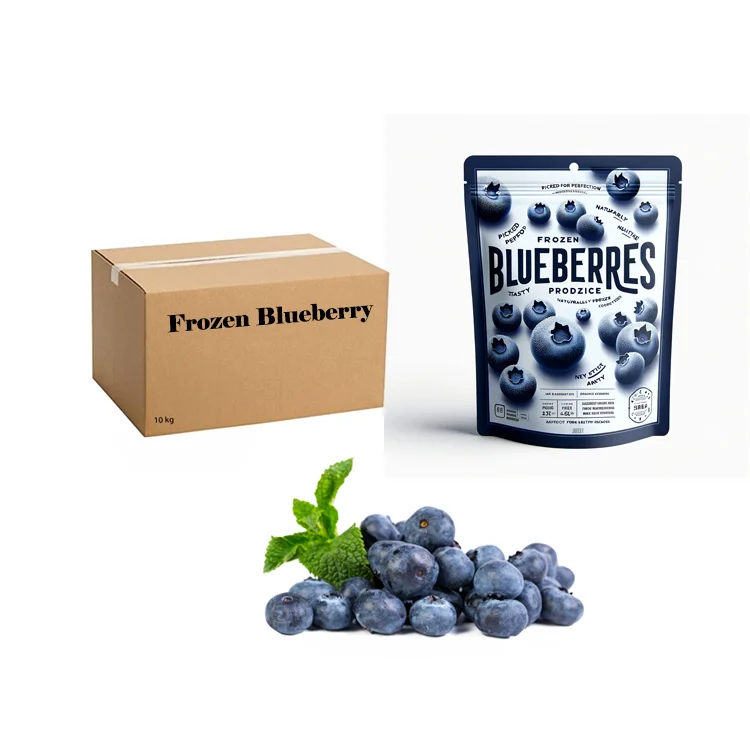
Packaging flexibility represents another critical dimension of effective frozen produce supply. WYLFOODS offers an extensive range of packaging options designed to match different operational scales and distribution models. Bulk packaging includes large-format cases ranging from ten to twenty-five kilograms, industrial tote bins for high-volume users, and economy boxes that optimize storage space and reduce packaging waste. Mid-range options feature convenient five-kilogram bags suitable for medium-volume operations and portion-controlled packages that simplify inventory management. Consumer-ready retail packaging encompasses branded bags in various sizes, resealable pouches with attractive graphics, and premium packaging formats that enhance shelf appeal.
The selection of appropriate packaging for frozen produce directly impacts several operational factors beyond simple containment. Packaging influences handling efficiency during warehouse operations, affects freezer space utilization, determines ease of portion control during food preparation, and impacts waste management practices. WYLFOODS packaging engineering team considers all these factors when developing packaging solutions, using materials that maintain frozen produce quality while optimizing logistics performance. The company employs multi-layer films with appropriate oxygen and moisture barrier properties, ensuring that frozen produce retains its nutritional value, color, and texture throughout the distribution cycle.
For retailers and distributors building their own frozen produce brands, WYLFOODS provides comprehensive private label services that extend beyond simple co-packing. The company works with customers to develop complete brand identities for frozen produce lines, including package design consultation, nutritional labeling compliance, regulatory documentation support, and quality assurance protocols that protect brand reputation. This partnership approach enables businesses to enter the frozen produce market with professional products that compete effectively against established brands, without investing in their own processing infrastructure.
The private label development process includes product formulation support, where WYLFOODS helps customers create frozen produce blends and vegetable combinations that fill market gaps or meet specific consumer preferences. Seasonal planning assistance ensures consistent frozen produce availability throughout the year, even for vegetables with limited growing seasons. Batch coding and traceability systems provide the documentation required for food safety compliance and recall management. For businesses seeking to differentiate their frozen produce offerings, WYLFOODS can incorporate value-added elements such as seasoning sachets, cooking instruction inserts, or recipe cards that enhance the consumer experience and build brand loyalty.
Cold chain integrity represents the foundation of quality frozen produce export. WYLFOODS has developed comprehensive temperature management protocols that maintain frozen produce at optimal conditions from processing through final delivery. The system begins with rapid IQF freezing technology that minimizes ice crystal formation and preserves cellular structure in vegetables and fruits. Products enter temperature-controlled storage immediately after freezing, where automated monitoring systems track conditions continuously. Loading procedures ensure that frozen produce never experiences temperature elevation, using pre-cooled containers and rapid transfer protocols that minimize exposure to ambient conditions.
During international transport, WYLFOODS employs sophisticated container management practices specifically designed for frozen produce shipments. Refrigerated containers receive pre-trip inspections to verify proper functioning of cooling systems, accurate temperature sensor calibration, and adequate air circulation patterns. Temperature data loggers accompany each shipment, creating permanent records that document conditions throughout the journey. For long-distance routes, the company coordinates with shipping lines to ensure priority handling of frozen produce containers during port transfers. This attention to detail has resulted in temperature deviation rates significantly below industry averages, protecting the quality investment that customers make in premium frozen produce.
International frozen produce export requires navigation of complex regulatory landscapes that vary across destination markets. WYLFOODS maintains expertise in global food safety standards and manages the documentation requirements that facilitate smooth customs clearance and regulatory compliance. The company provides certificates of analysis for each frozen produce shipment, including microbiological testing results, pesticide residue screening data, and heavy metal analysis when required. Phytosanitary certificates, health certificates, and certificates of origin are prepared according to destination country requirements, reducing the administrative burden on importing customers.
Beyond basic compliance documentation, WYLFOODS supports customers with regulatory intelligence about changing standards in key markets. The frozen produce industry faces evolving requirements regarding pesticide maximum residue limits, additive approvals, labeling standards, and traceability expectations. By monitoring these regulatory developments and adjusting production practices proactively, WYLFOODS helps customers avoid disruptions caused by sudden compliance issues. The company maintains certifications relevant to major export markets, including HACCP, ISO standards, and various market-specific approvals that demonstrate commitment to food safety and quality management in frozen produce production and export.
Quality assurance in frozen produce begins at the agricultural source and extends through every processing stage. WYLFOODS implements multi-point inspection protocols that evaluate raw material quality, monitor processing parameters, verify finished product specifications, and assess packaging integrity. Raw vegetable inspection includes visual assessment for defects, size grading, color evaluation, and preliminary quality scoring. During processing, critical control points monitor washing effectiveness, cutting accuracy, blanching parameters, and freezing performance. Finished frozen produce undergoes final inspection for proper sizing, absence of defects, appropriate color retention, and correct packaging before release to cold storage.
The quality control laboratory at WYLFOODS conducts both routine monitoring and specialized testing to ensure frozen produce meets international standards. Microbiological testing confirms that products meet safety criteria for pathogen absence and acceptable total plate counts. Nutritional analysis verifies that frozen produce retains vitamins and minerals at levels consistent with quality retention expectations. Sensory evaluation panels assess color, texture, flavor, and overall quality attributes that determine consumer acceptance. These systematic quality measures create confidence for buyers that their frozen produce shipments will perform consistently in their operations, whether for institutional food service, food manufacturing, or retail distribution.
Modern food businesses require complete transparency about the origin and handling history of their frozen produce supplies. WYLFOODS has implemented comprehensive traceability systems that track products from field to final delivery. Each batch of frozen produce receives unique identification codes that link to detailed records including growing region, harvest date, processing facility, production date, quality control results, and distribution history. This granular traceability enables rapid response in the unlikely event of quality concerns, facilitates targeted recalls if necessary, and provides the documentation increasingly required by retailers and regulatory authorities.
The traceability system extends to supplier management, where WYLFOODS maintains detailed records about the agricultural producers who supply raw vegetables for frozen produce processing. Grower qualification programs ensure that farms meet food safety standards, follow good agricultural practices, and implement proper pesticide management protocols. Regular audits verify continued compliance with quality standards. This upstream visibility creates additional security for customers who need to demonstrate responsible sourcing practices, meet sustainability commitments, or respond to consumer inquiries about frozen produce origins. The investment in traceability infrastructure represents WYLFOODS commitment to transparency and accountability in the frozen produce supply chain.
Partnering with a specialized frozen produce supplier like WYLFOODS creates multiple operational advantages that translate into competitive benefits for customers. Custom cutting services eliminate in-house prep labor, reduce knife and equipment maintenance costs, and minimize waste from inconsistent cutting practices. Flexible packaging options optimize inventory management, improve storage efficiency, and reduce handling time during receiving and production processes. Reliable cold chain management protects product investment by minimizing quality losses during distribution, reducing rejection rates, and ensuring consistent performance in final applications.
The financial impact of these operational improvements can be substantial. Food service operators typically realize labor cost reductions of twenty to thirty percent when switching from fresh vegetable preparation to specification-cut frozen produce from suppliers like WYLFOODS. Food manufacturers achieve better yield consistency and reduced quality variation, which improves production efficiency and reduces rework. Retailers benefit from lower shrinkage rates and extended shelf life in their frozen food departments. When these individual benefits are aggregated across an organization, the partnership with a capable frozen produce supplier becomes a strategic advantage rather than simply a procurement relationship.
The frozen produce market continues to evolve with changing consumer preferences, emerging cuisine trends, and new application opportunities. WYLFOODS maintains market intelligence capabilities that help customers anticipate and respond to these shifts. The company monitors global food trends, tracks frozen produce consumption patterns, and identifies emerging vegetable varieties that offer commercial potential. This market awareness enables proactive product development that gives customers first-mover advantages in their markets. Whether developing new frozen produce blends for retail consumers, creating specialized cuts for emerging restaurant concepts, or formulating ingredient systems for food manufacturers, WYLFOODS acts as an innovation partner rather than merely a commodity supplier.
Product development collaboration extends to technical support for application optimization. WYLFOODS food technologists work with customers to solve specific challenges related to frozen produce performance in their products or operations. This might include adjusting blanching parameters to improve texture in a particular application, modifying cutting specifications to enhance cooking performance, or developing custom blends that deliver specific flavor profiles. The technical expertise available through a specialized frozen produce supplier provides significant value for customers who lack in-house food science capabilities or who need additional resources for special projects. This collaborative approach transforms the supplier relationship into a genuine partnership focused on mutual success in the frozen produce market.
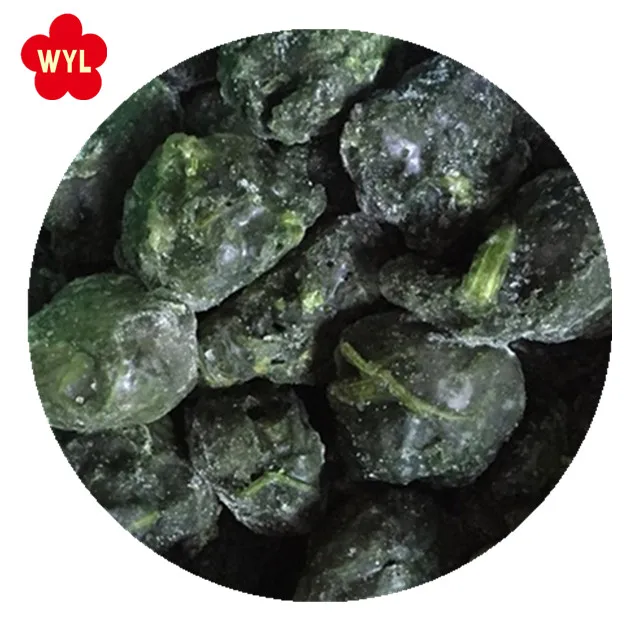
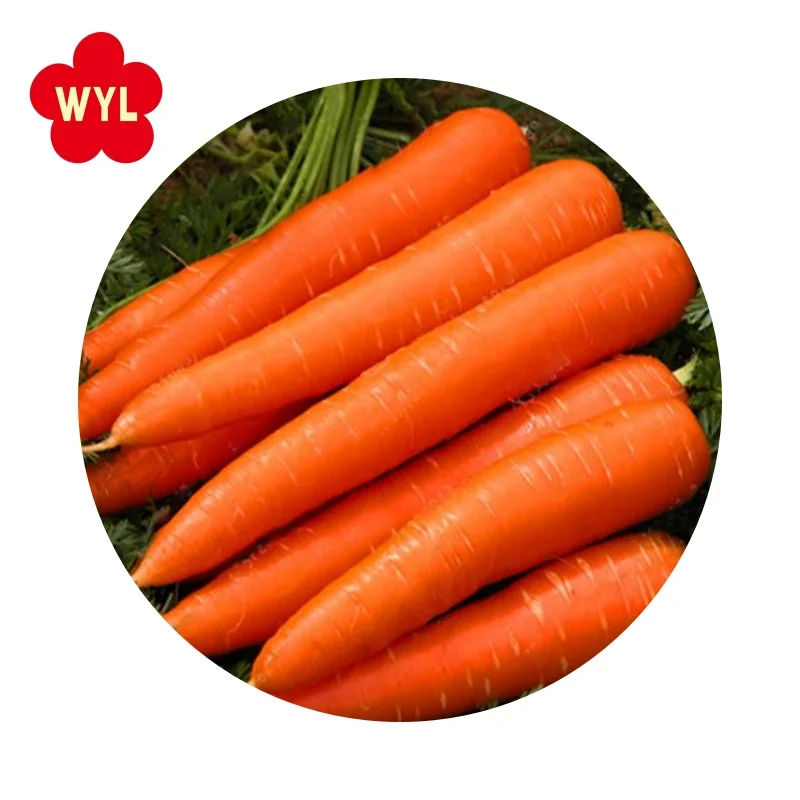
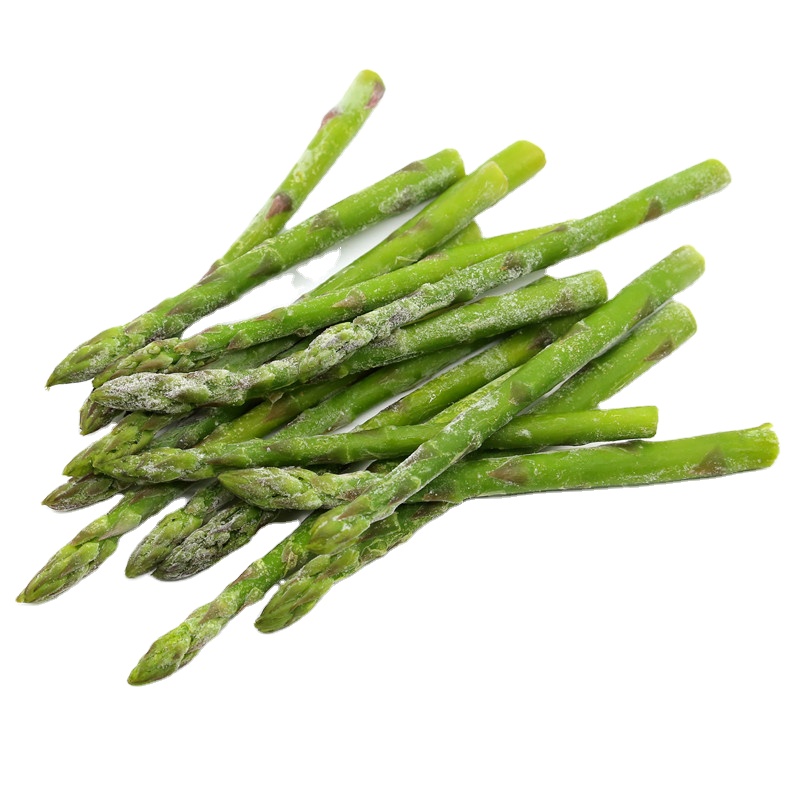
WYLFOODS offers an extensive range of frozen produce including core vegetables such as broccoli, cauliflower, carrots, green beans, peas, corn, and mixed vegetable blends. The product line extends to specialty items like edamame, Brussels sprouts, asparagus, and various Asian vegetables. Seasonal availability is managed through strategic sourcing from multiple growing regions, ensuring year-round supply consistency. Custom vegetable blends can be developed according to customer specifications, combining different frozen produce items in precise ratios for specific applications. All vegetables are processed using IQF technology to maintain individual piece separation and quality.
Custom cutting services for frozen produce involve additional processing steps and may require specialized equipment setup, which can influence pricing compared to standard industry cuts. However, the total cost of ownership often favors custom-cut frozen produce when buyers factor in eliminated labor costs, reduced waste, improved yield consistency, and decreased skill requirements in their operations. WYLFOODS works with customers to optimize cutting specifications that balance customization benefits against cost considerations, often identifying solutions that deliver operational advantages without significant price premiums. Volume commitments and standardized custom specifications across multiple products can further improve the economics of custom-cut frozen produce.
Minimum order quantities for custom packaging of frozen produce vary depending on the complexity of the packaging solution and whether it requires specialized materials or printing. Standard private label packaging with customer branding typically requires minimum orders of one full container load, which ranges from twenty to twenty-five tons depending on the specific frozen produce and packaging format. For unique packaging formats requiring custom tooling or specialized films, minimum commitments may be higher to justify the setup investment. WYLFOODS works with customers to phase in custom packaging programs, often beginning with standard packaging and transitioning to fully customized solutions as volumes grow, making custom frozen produce packaging accessible to businesses at various stages of development.
When stored at proper temperatures of negative eighteen degrees Celsius or below, frozen produce from WYLFOODS maintains optimal quality for eighteen to twenty-four months from production date, depending on the specific vegetable type and packaging format. IQF processing and appropriate packaging materials minimize quality degradation factors such as freezer burn, oxidation, and moisture loss. The company provides date coding that clearly identifies production dates and recommended use-by dates, enabling proper inventory rotation. Quality retention is maximized when frozen produce is stored in stable temperature conditions without freeze-thaw cycles, maintained in original sealed packaging until use, and protected from temperature fluctuations during storage. These practices ensure that frozen produce delivers consistent performance throughout its shelf life.
 Hot News
2026-05-29
2026-05-27
2026-05-26
2026-05-22
2026-05-20
2026-05-20
WYL Foods specializes in high-quality frozen food production, offering a wide range of safe, nutritious, and delicious products. As a trusted global supplier, we ensure consistent quality, fast delivery, and customized solutions for retailers and food service providers.
No. 87, Fuzhou South Road, Shinan District, Qingdao City, Shandong Province, Room 2201
Copyright © 2026 Qingdao Wyl Imp. & Exp. Co., Ltd. All rights reserved. Privacy Policy

 EN