×
×
The global demand for high-quality frozen green beans continues to surge as consumers and food service operations seek convenient, nutritious vegetables that maintain their fresh appearance and crisp texture. Understanding the sophisticated preservation techniques that protect both color vibrancy and textural integrity has become essential for processors, distributors, and culinary professionals who prioritize exceptional product quality. Modern freezing technologies and pre-treatment methods work synergistically to ensure that frozen green beans retain their garden-fresh characteristics throughout storage and preparation.
The preservation of frozen green beans involves multiple interconnected processes that address cellular structure integrity, enzyme activity control, and pigment stabilization. Each technique contributes to the overall quality profile that distinguishes premium frozen vegetables from standard commercial products. These preservation methods have evolved significantly over recent decades, incorporating advanced scientific understanding of plant physiology and food chemistry principles.
Steam blanching represents one of the most effective pre-treatment methods for maintaining the structural integrity of frozen green beans during processing. This technique exposes the vegetables to controlled steam temperatures between 85-95°C for precisely timed intervals, typically ranging from 90 to 180 seconds depending on bean size and variety. The steam penetration deactivates enzymes responsible for texture degradation while preserving the cellular matrix that gives green beans their characteristic snap.
The advantages of steam blanching over traditional water blanching include reduced nutrient leaching, better color retention, and improved textural consistency in the final frozen product. Steam treatment creates uniform heat distribution throughout the bean structure, ensuring complete enzyme inactivation without overcooking surface tissues. This preservation technique particularly benefits frozen green beans by maintaining their fibrous structure and preventing the mushy texture often associated with improperly processed vegetables.
Water blanching remains a widely utilized technique for frozen green beans processing, especially when combined with proper temperature control and timing protocols. The process involves immersing prepared beans in boiling water maintained at 100°C for specific durations determined by bean thickness and processing volume. Optimal water blanching requires careful attention to water-to-product ratios, typically maintaining a 4:1 ratio to ensure consistent heat transfer.
Modern water blanching systems incorporate continuous monitoring of pH levels, as slightly alkaline conditions (pH 7.2-7.5) help preserve the natural green color of frozen green beans while facilitating enzyme deactivation. The immediate cooling process following blanching, known as quenching, rapidly stops the cooking process and locks in the desired texture and color characteristics. This rapid temperature transition prevents overcooking and maintains the structural integrity essential for high-quality frozen vegetables.
Individual Quick Freezing (IQF) technology revolutionizes the preservation of frozen green beans by creating small, uniform ice crystals that minimize cellular damage during the freezing process. This method exposes prepared beans to extremely cold air currents at temperatures ranging from -35°C to -40°C, achieving complete freezing within 15-20 minutes. The rapid freezing rate prevents large ice crystal formation that would rupture cell walls and compromise texture quality.
IQF processing ensures that each bean freezes individually, preventing clumping and facilitating portion control for end users. The technology particularly benefits frozen green beans by maintaining their natural shape and preventing moisture migration between individual pieces. This preservation method results in vegetables that closely resemble their fresh counterparts in both appearance and texture when properly thawed and prepared.
Cryogenic freezing utilizes liquid nitrogen or carbon dioxide to achieve ultra-rapid temperature reduction, creating the smallest possible ice crystals within frozen green beans. This advanced preservation technique exposes the vegetables to temperatures below -60°C, achieving complete freezing in under 10 minutes. The extreme cold temperatures minimize cellular damage and preserve both nutritional content and sensory attributes more effectively than conventional freezing methods.
The benefits of cryogenic freezing for frozen green beans include exceptional color retention, superior texture preservation, and extended shelf life without quality degradation. This method particularly excels at maintaining the chlorophyll content responsible for the vibrant green color, as the rapid freezing prevents enzymatic reactions that would otherwise cause color deterioration. The investment in cryogenic technology yields premium frozen vegetables that command higher market prices due to their superior quality characteristics.
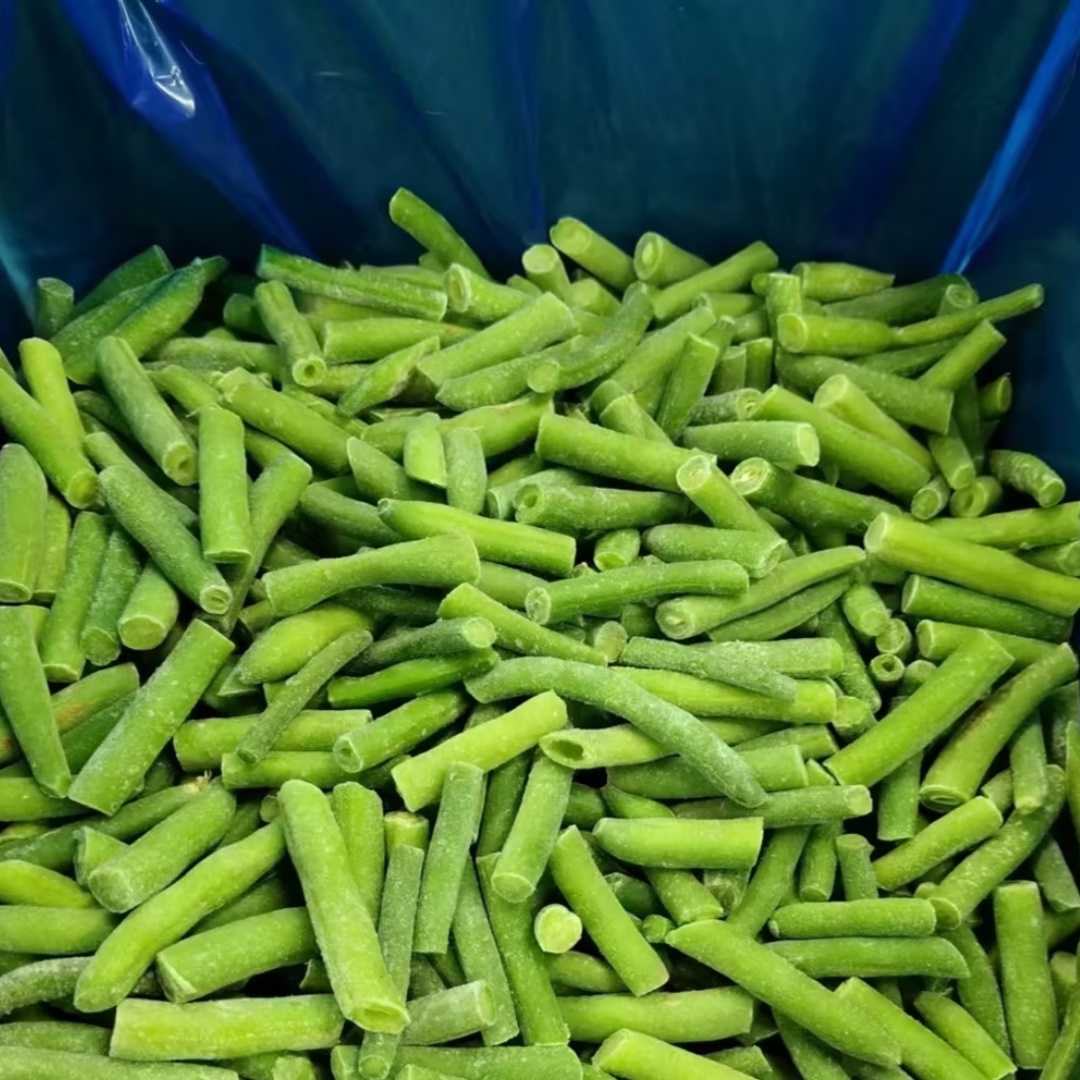
Maintaining the vibrant green color of frozen green beans requires specific attention to chlorophyll preservation throughout the processing cycle. Chlorophyll molecules are particularly sensitive to heat, pH changes, and enzymatic activity, making their stabilization crucial for consumer acceptance. Pre-treatment with magnesium salts can help stabilize chlorophyll by replacing the central magnesium atom that may be lost during processing, thereby maintaining color intensity.
The pH control during blanching plays a critical role in chlorophyll preservation for frozen green beans. Maintaining slightly alkaline conditions prevents the conversion of bright green chlorophyll to olive-colored pheophytin, which occurs rapidly in acidic environments. Some processors incorporate food-grade sodium bicarbonate into blanching water to create optimal pH conditions for color retention while ensuring food safety standards are maintained throughout the process.
Natural and synthetic antioxidants serve as effective color preservation agents for frozen green beans by preventing oxidative reactions that cause color degradation. Ascorbic acid (Vitamin C) applications during pre-treatment help maintain chlorophyll stability while providing additional nutritional benefits. The controlled application of antioxidants creates a protective barrier against oxidative enzymes that would otherwise cause color deterioration during storage.
Tocopherols and other fat-soluble antioxidants can be applied through specialized coating techniques that create invisible protective layers on frozen green beans. These compounds work synergistically with water-soluble antioxidants to provide comprehensive protection against color degradation throughout the frozen storage period. The strategic use of antioxidant combinations extends the shelf life of frozen vegetables while maintaining their appealing visual characteristics.
Effective temperature management begins immediately after the freezing process and continues throughout storage, transportation, and retail distribution of frozen green beans. Maintaining consistent temperatures at -18°C or below prevents temperature fluctuations that could cause ice crystal growth and subsequent texture degradation. Modern cold storage facilities incorporate advanced monitoring systems that track temperature variations and alert operators to potential quality-threatening conditions.
The implementation of proper cold chain protocols ensures that frozen green beans maintain their quality attributes from processing facility to consumer preparation. Temperature mapping studies help identify potential weak points in the distribution system where temperature abuse might occur. Proper packaging design with appropriate barrier properties helps maintain product temperature during brief exposure periods, such as during loading and unloading operations.
Optimal storage conditions for frozen green beans extend beyond temperature control to include humidity management and air circulation patterns. Storage facilities maintain relative humidity levels below 85% to prevent ice formation on package surfaces while ensuring adequate air circulation to maintain uniform temperatures throughout storage areas. These environmental controls work together to preserve both texture and color quality during extended storage periods.
Inventory rotation systems ensure that frozen green beans move through storage facilities according to first-in, first-out principles, minimizing storage time and maintaining quality consistency. Advanced warehouse management systems track storage duration and automatically prioritize older inventory for shipment. This systematic approach prevents quality deterioration associated with extended storage while optimizing product turnover rates.
Comprehensive quality assessment for frozen green beans incorporates standardized sensory evaluation protocols that measure color intensity, texture firmness, and overall appearance characteristics. Trained sensory panels evaluate samples using established scoring systems that correlate with consumer preferences and market expectations. These evaluations provide objective measurements of preservation technique effectiveness and guide process optimization efforts.
Color measurement using spectrophotometric analysis provides quantitative data on chlorophyll retention and color stability in frozen green beans. Hunter Lab color values track changes in greenness over time, allowing processors to optimize preservation techniques for maximum color retention. Texture analysis using penetrometry and compression testing provides objective measurements of firmness and structural integrity that complement sensory evaluations.
Regular nutritional analysis ensures that preservation techniques maintain the vitamin and mineral content of frozen green beans throughout processing and storage. Vitamin C content serves as an indicator of overall nutritional quality, as this heat-sensitive compound reflects the effectiveness of processing conditions. Mineral analysis confirms that blanching and freezing processes do not significantly impact the nutritional profile of the final product.
Advanced analytical techniques monitor specific compounds responsible for flavor and nutritional benefits in frozen green beans. Gas chromatography analysis identifies volatile compounds that contribute to characteristic green bean flavor, while high-performance liquid chromatography measures specific vitamins and phytonutrients. These detailed analyses guide process improvements and validate the effectiveness of preservation techniques in maintaining nutritional quality.
Modified atmosphere packaging (MAP) technology enhances the preservation of frozen green beans by controlling the gas composition within packaging materials. Reduced oxygen levels prevent oxidative reactions that cause color deterioration and texture changes, while controlled carbon dioxide levels help maintain product integrity. The careful balance of gases within packaging creates an optimal environment for long-term quality preservation.
Advanced packaging films with specific barrier properties prevent gas exchange while maintaining the desired internal atmosphere for frozen green beans. Multi-layer films combine different polymers to achieve optimal oxygen and moisture barrier performance while maintaining package integrity at frozen temperatures. These specialized packaging materials work synergistically with preservation techniques to extend shelf life and maintain quality characteristics.
High-barrier packaging films prevent moisture migration and oxidation that could compromise the quality of frozen green beans during storage. Metallized films and specialized polymer coatings create effective barriers against oxygen, moisture, and light exposure that would otherwise cause quality degradation. The selection of appropriate barrier materials depends on storage conditions and expected shelf life requirements.
Vacuum packaging techniques remove air from packages containing frozen green beans, eliminating oxygen that could cause color and flavor deterioration. The combination of vacuum packaging with high-barrier films provides maximum protection against environmental factors that affect quality. These packaging innovations complement processing preservation techniques to deliver consistently high-quality frozen vegetables to consumers.
Blanching time directly impacts the final texture of frozen green beans by controlling the degree of enzyme inactivation and cellular structure modification. Under-blanching results in continued enzyme activity during storage, leading to texture degradation and off-flavors, while over-blanching causes excessive softening and loss of the characteristic crisp texture. The optimal blanching time typically ranges from 2-3 minutes for standard-sized green beans, but varies based on bean thickness, variety, and processing temperature. Proper blanching creates the ideal balance between enzyme inactivation and texture preservation.
Frozen green beans should be stored at -18°C (0°F) or below to maintain maximum quality and prevent texture degradation. Storage temperatures above -15°C can cause ice crystal growth and recrystallization, leading to cellular damage and loss of texture quality. Consistent temperature maintenance throughout the cold chain prevents temperature fluctuations that could compromise product integrity. Professional storage facilities often maintain temperatures at -23°C to provide additional quality protection during extended storage periods.
Properly processed and stored frozen green beans can maintain their quality characteristics for 12-18 months when stored under optimal conditions. The combination of effective blanching, rapid freezing, and consistent cold storage temperatures allows frozen green beans to retain their color, texture, and nutritional value throughout this period. Quality degradation typically becomes noticeable after 18-24 months, manifesting as color fading, texture softening, and flavor changes. Commercial processors often establish shorter shelf life recommendations to ensure consistent quality standards for consumers.
Color changes in frozen green beans during storage result from chlorophyll degradation caused by enzymatic activity, pH changes, and oxidation reactions. Insufficient blanching allows peroxidase and other enzymes to remain active, causing gradual color deterioration over time. Temperature fluctuations during storage accelerate these reactions, while exposure to light and oxygen further contributes to chlorophyll breakdown. Proper processing techniques, including adequate blanching and optimal packaging, minimize these color changes and maintain the vibrant green appearance consumers expect from high-quality frozen vegetables.
 Hot News
2026-05-29
2026-05-27
2026-05-26
2026-05-22
2026-05-20
2026-05-20
WYL Foods specializes in high-quality frozen food production, offering a wide range of safe, nutritious, and delicious products. As a trusted global supplier, we ensure consistent quality, fast delivery, and customized solutions for retailers and food service providers.
No. 87, Fuzhou South Road, Shinan District, Qingdao City, Shandong Province, Room 2201
Copyright © 2026 Qingdao Wyl Imp. & Exp. Co., Ltd. All rights reserved. Privacy Policy

 EN
EN