×
×
Restaurant operators constantly seek innovative menu items that balance customer appeal with operational efficiency. Frozen sweet potato fries have emerged as a transformative solution for foodservice establishments looking to diversify their offerings while maintaining consistent quality and streamlined preparation processes. These convenient alternatives to traditional potato products deliver the nutritional benefits and distinctive flavor profile that modern diners crave, positioning restaurants to capitalize on the growing demand for healthier comfort food options.
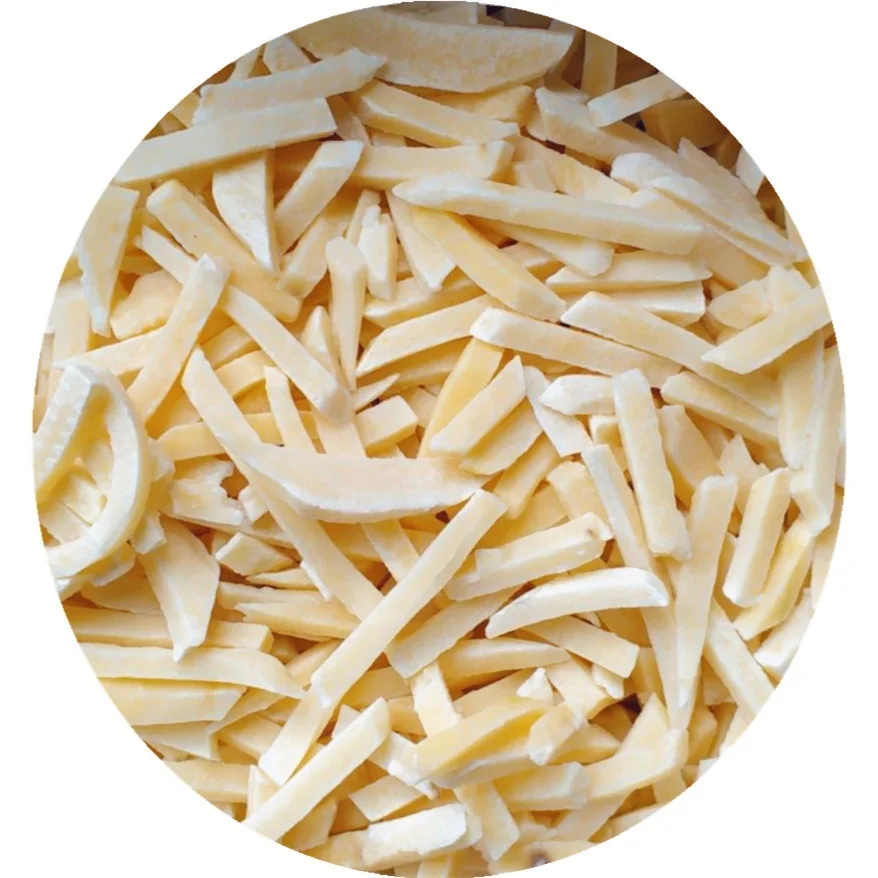
The integration of frozen sweet potato fries into restaurant menus represents more than just product substitution. It reflects a strategic approach to menu development that addresses multiple operational challenges while satisfying evolving consumer preferences. From fast-casual establishments to full-service restaurants, foodservice operators are discovering how these versatile products can enhance their competitive positioning while simplifying kitchen workflows and inventory management processes.
Commercial kitchens benefit significantly from the standardized nature of frozen sweet potato fries, which eliminate the variability associated with fresh potato preparation. Each serving delivers identical texture, flavor, and appearance, ensuring customers receive consistent experiences regardless of preparation time or kitchen staff skill level. This consistency extends to portion control, where pre-cut frozen products help restaurants maintain precise food costs and reduce waste associated with irregular cutting or sizing variations.
The uniformity of frozen sweet potato fries also streamlines training processes for kitchen staff. New employees can quickly master preparation techniques without extensive knife skills or product knowledge about seasonal potato variations. This standardization reduces labor costs associated with training while minimizing the potential for preparation errors that could impact customer satisfaction or food safety protocols.
Frozen sweet potato fries offer superior shelf stability compared to fresh alternatives, typically maintaining quality for several months when properly stored. This extended storage capability allows restaurants to optimize inventory levels, reduce ordering frequency, and minimize spoilage-related losses. The ability to maintain consistent stock levels without frequent deliveries also provides operational flexibility during supply chain disruptions or seasonal availability fluctuations.
Inventory management becomes more predictable with frozen products, enabling better cash flow planning and reduced storage space requirements. Restaurants can leverage bulk purchasing opportunities to achieve better cost per serving while maintaining the flexibility to adjust menu offerings based on seasonal demand patterns or promotional activities without concerns about product deterioration.
The adaptability of frozen sweet potato fries across various cooking methods provides chefs with extensive creative possibilities. These products perform well in convection ovens, fryers, air fryers, and even griddle applications, allowing restaurants to match preparation methods with their existing equipment capabilities and operational workflows. This versatility enables establishments to offer unique texture profiles and flavor presentations without investing in specialized cooking equipment.
Different preparation techniques can create distinct menu positions for the same base product. Oven-baked presentations appeal to health-conscious consumers, while traditional frying methods satisfy customers seeking classic comfort food experiences. The ability to prepare frozen sweet potato fries using multiple methods allows restaurants to position these items across various menu categories, from appetizers to side dishes to main course components.
Frozen sweet potato fries provide excellent foundation ingredients for seasonal menu development and limited-time promotional campaigns. Their neutral flavor profile complements various seasoning blends, sauces, and toppings, enabling restaurants to create distinctive offerings that align with seasonal trends or cultural celebrations. This flexibility supports dynamic menu strategies that keep regular customers engaged while attracting new patrons seeking novel dining experiences.
The convenience of frozen sweet potato fries enables rapid menu changes without significant preparation time investments or specialized ingredient sourcing. Restaurants can test new flavor combinations, presentation styles, or serving formats with minimal risk, allowing for data-driven menu optimization based on customer response and sales performance metrics.
The implementation of frozen sweet potato fries significantly reduces labor requirements associated with potato preparation, washing, cutting, and initial processing steps. This labor reduction translates directly to improved profit margins, particularly in markets where labor costs represent significant operational expenses. Kitchen staff can focus their time and skills on value-added preparation activities rather than repetitive prep work that can be eliminated through strategic product sourcing decisions.
Reduced preparation time also improves kitchen efficiency during peak service periods, enabling faster order fulfillment and improved customer satisfaction scores. The simplified preparation process minimizes bottlenecks associated with fresh potato processing, allowing restaurants to maintain consistent service speeds even during high-volume periods or when operating with reduced staffing levels.
Frozen sweet potato fries provide restaurants with predictable food costs that facilitate more accurate menu pricing and profitability analysis. Unlike fresh potatoes, which experience significant price volatility due to seasonal factors, weather conditions, and supply chain variations, frozen products typically maintain more stable pricing structures. This stability enables better financial planning and reduces the need for frequent menu price adjustments that could negatively impact customer perception.
The predetermined portion sizes of frozen sweet potato fries also improve food cost control by eliminating waste associated with irregular cutting or over-portioning. Restaurants can calculate exact food costs per serving, enabling more precise profit margin analysis and strategic menu positioning to optimize overall financial performance.
Sweet potato fries naturally appeal to health-conscious consumers due to their higher nutritional content compared to regular potato products. These products contain elevated levels of beta-carotene, fiber, and various vitamins that align with consumer preferences for functional foods that provide both satisfaction and nutritional benefits. Restaurants can leverage these nutritional advantages in marketing communications to attract demographic segments prioritizing healthier dining options.
The perceived health benefits of frozen sweet potato fries enable restaurants to command premium pricing while maintaining strong value propositions. Consumers often willingly pay higher prices for menu items that align with their wellness goals, creating opportunities for improved profit margins while satisfying customer expectations for healthier comfort food alternatives.
Frozen sweet potato fries align with several current foodservice trends, including plant-forward dining, comfort food reinvention, and Instagram-worthy presentation opportunities. Their distinctive orange color and unique texture profile create visually appealing presentations that perform well in social media environments, potentially generating organic marketing benefits through customer-generated content and social sharing activities.
The versatility of frozen sweet potato fries also supports various dietary accommodation needs, including vegetarian, vegan, and gluten-free requirements when prepared using appropriate cooking methods and seasonings. This inclusivity broadens potential customer bases and demonstrates restaurant commitment to accommodating diverse dietary preferences and restrictions.
Working with frozen sweet potato fries suppliers typically involves more streamlined procurement processes compared to managing multiple fresh potato vendors or seasonal sourcing arrangements. Single-vendor relationships for frozen products can provide better pricing negotiations, simplified delivery schedules, and reduced administrative overhead associated with vendor management activities.
Established frozen food suppliers often provide additional support services, including menu development assistance, preparation training, and promotional materials that can enhance restaurant marketing efforts. These value-added services reduce the internal resources required for successful menu integration while providing access to industry expertise and best practices from other successful implementations.
Commercial frozen sweet potato fries producers typically maintain rigorous quality control and food safety protocols that exceed what most individual restaurants can achieve through in-house preparation processes. These industrial-scale safety systems reduce food safety risks while ensuring consistent product quality that meets or exceeds customer expectations for taste, texture, and appearance.
The controlled processing environment used for frozen sweet potato fries production also minimizes contamination risks associated with fresh produce handling, storage, and preparation. This risk reduction provides additional protection for restaurant operations while supporting compliance with health department regulations and industry food safety standards.
Frozen sweet potato fries typically maintain optimal quality for 12 to 18 months when stored at consistent temperatures below 0°F (-18°C). Commercial freezer storage should maintain stable temperatures and provide adequate air circulation to prevent temperature fluctuations that could impact product quality. Proper storage practices, including first-in-first-out inventory rotation and appropriate packaging protection, help maximize shelf life and maintain consistent product performance throughout the storage period.
Frozen sweet potato fries perform well using multiple cooking methods, including deep frying at 350°F for 3-4 minutes, convection oven baking at 425°F for 15-18 minutes, or air frying at 400°F for 12-15 minutes. The optimal method depends on desired texture, equipment availability, and operational workflow requirements. Deep frying typically produces the crispiest exterior, while oven baking offers healthier preparation options that appeal to nutrition-conscious consumers.
Most frozen sweet potato fries naturally accommodate vegetarian, vegan, and gluten-free dietary requirements, though specific product formulations should be verified with suppliers to ensure compliance with particular dietary restrictions. The versatility of these products allows restaurants to prepare them using various oils, seasonings, and cooking methods that align with different dietary preferences while maintaining broad menu appeal across diverse customer segments.
Frozen sweet potato fries typically provide better cost control and consistency compared to fresh preparation, eliminating labor costs associated with washing, peeling, and cutting while reducing waste from irregular sizing or preparation errors. Quality remains consistently high due to controlled processing environments and standardized preparation methods. While fresh preparation offers some customization advantages, frozen products deliver superior operational efficiency and predictable results that better support high-volume restaurant operations.
 Hot News
2026-05-29
2026-05-27
2026-05-26
2026-05-22
2026-05-20
2026-05-20
WYL Foods specializes in high-quality frozen food production, offering a wide range of safe, nutritious, and delicious products. As a trusted global supplier, we ensure consistent quality, fast delivery, and customized solutions for retailers and food service providers.
No. 87, Fuzhou South Road, Shinan District, Qingdao City, Shandong Province, Room 2201
Copyright © 2026 Qingdao Wyl Imp. & Exp. Co., Ltd. All rights reserved. Privacy Policy

 EN
EN