×
×
Food manufacturers face constant challenges in managing seasonal supply chains, particularly when dealing with fresh produce that has limited availability throughout the year. The unpredictable nature of agricultural seasons, weather conditions, and market fluctuations can create significant disruptions in production schedules. However, frozen broccoli emerges as a strategic solution that enables manufacturers to maintain consistent operations while ensuring product quality and cost-effectiveness. This versatile ingredient offers food processing companies the flexibility to meet consumer demand regardless of seasonal constraints, making it an essential component in modern food manufacturing strategies.
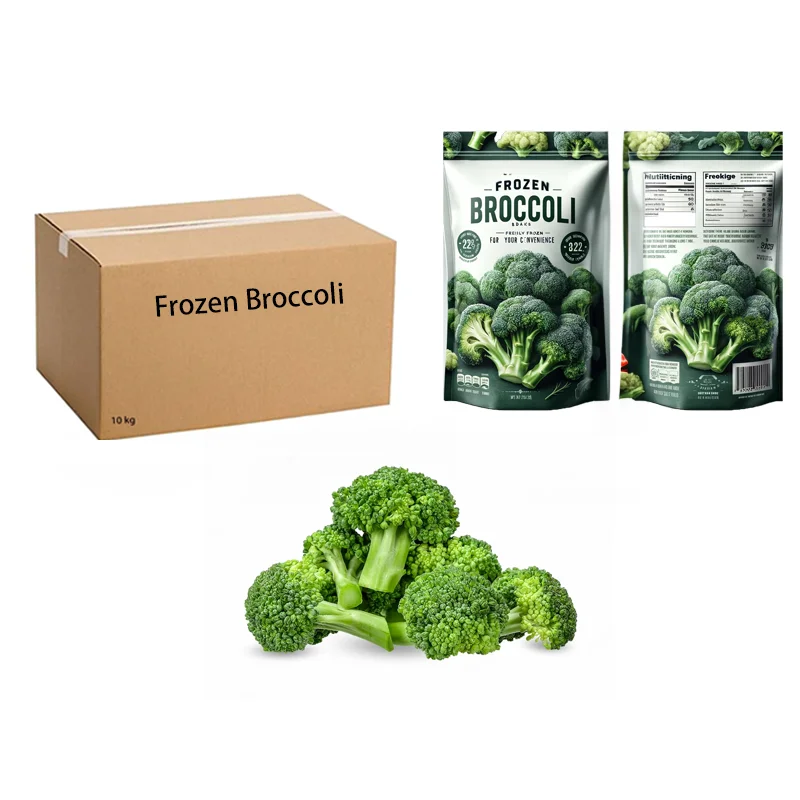
The agricultural calendar significantly affects food manufacturers who rely on fresh vegetables as primary ingredients. Broccoli, like many vegetables, has specific growing seasons that vary by geographic region, creating periods of abundance and scarcity. During peak harvest times, manufacturers may struggle with oversupply, quality variations, and storage limitations. Conversely, off-season periods present challenges including ingredient shortages, inflated prices, and compromised product consistency. These fluctuations force manufacturers to either halt production lines or seek alternative sourcing strategies that often prove costly and inefficient.
Weather-related disruptions further complicate seasonal supply chains, as unexpected frost, drought, or excessive rainfall can devastate crop yields. Food manufacturers must navigate these uncertainties while maintaining contractual obligations to retailers and consumers. The resulting supply instability creates operational inefficiencies, increased inventory management complexity, and potential revenue losses. Traditional approaches to managing these challenges often involve maintaining extensive cold storage facilities for fresh produce, which requires significant capital investment and ongoing operational costs.
Seasonal price volatility in fresh produce markets directly impacts manufacturing profitability and budget planning. During peak seasons, fresh broccoli prices may drop significantly, creating opportunities for cost savings but also requiring rapid scaling of processing capabilities. Off-season pricing can increase by 200-300%, forcing manufacturers to choose between maintaining production at reduced margins or suspending operations until prices normalize. These price swings make financial forecasting difficult and can strain relationships with downstream customers who expect consistent pricing structures.
Labor costs associated with handling fresh produce also fluctuate seasonally, as peak processing periods require additional temporary workforce while off-seasons may result in underutilized facilities. The complexity of managing these variable costs while maintaining quality standards creates operational challenges that many manufacturers struggle to address effectively. Additionally, the risk of product spoilage during transportation and storage adds another layer of financial uncertainty to seasonal supply chain management.
Frozen broccoli provides manufacturers with unprecedented supply chain predictability by eliminating seasonal availability constraints. Unlike fresh produce that must be processed immediately upon harvest, frozen broccoli maintains quality for extended periods, allowing manufacturers to plan production schedules based on market demand rather than agricultural calendars. This consistency enables more efficient capacity utilization and reduces the need for emergency sourcing during supply shortages.
The extended shelf life of frozen broccoli allows manufacturers to maintain strategic inventory levels without the risk of spoilage associated with fresh produce. This capability supports more sophisticated demand planning and enables manufacturers to respond quickly to unexpected orders or market opportunities. The ability to maintain consistent ingredient availability throughout the year provides a competitive advantage in markets where reliability and consistency are paramount to customer satisfaction.
Modern freezing technology preserves broccoli at peak freshness, ensuring consistent nutritional content and sensory qualities regardless of when the product was initially processed. This standardization eliminates the quality variations commonly experienced with fresh produce, which can fluctuate based on harvest conditions, transportation time, and storage practices. Manufacturers can rely on frozen broccoli to deliver predictable performance in their final products, reducing the need for recipe adjustments and quality control variations.
The standardized processing conditions used in frozen broccoli production ensure uniform piece sizes, blanching levels, and moisture content. This consistency simplifies manufacturing processes and reduces waste associated with product variations that don't meet specifications. Additionally, the controlled processing environment for frozen broccoli minimizes contamination risks and ensures compliance with food safety standards, providing manufacturers with greater confidence in their supply chain integrity.
Frozen broccoli pricing remains relatively stable throughout the year compared to the dramatic fluctuations experienced with fresh produce markets. This price stability enables manufacturers to negotiate long-term contracts with suppliers, securing predictable ingredient costs that support accurate financial planning and budgeting. The reduced price volatility associated with frozen broccoli helps manufacturers maintain consistent product pricing for their customers, supporting stronger business relationships and market positioning.
Volume purchasing opportunities for frozen broccoli allow manufacturers to leverage economies of scale while maintaining quality standards. Unlike fresh produce that requires immediate processing, frozen broccoli can be purchased in larger quantities during favorable market conditions and stored for extended periods without quality degradation. This flexibility enables manufacturers to optimize procurement timing and reduce overall ingredient costs through strategic purchasing decisions.
The extended shelf life of frozen broccoli significantly reduces waste associated with spoilage, inventory turnover requirements, and emergency procurement costs. Manufacturers can maintain lean inventory practices while ensuring adequate ingredient availability for uninterrupted production. This efficiency translates into reduced storage costs, simplified logistics management, and improved overall supply chain performance.
Processing efficiency gains from using frozen broccoli include reduced labor requirements for washing, cutting, and blanching, as these steps are completed during the initial freezing process. This pre-processing reduces manufacturing complexity and enables faster production cycles. Additionally, the consistent quality of frozen broccoli reduces the need for intensive quality control processes, further streamlining operations and reducing associated costs.
Individual Quick Freezing (IQF) technology used in modern frozen broccoli production preserves cellular structure and nutritional content more effectively than many traditional preservation methods. The rapid freezing process prevents the formation of large ice crystals that can damage plant tissues, maintaining texture and appearance characteristics that closely resemble fresh produce. This technology ensures that frozen broccoli retains its nutritional density, including essential vitamins, minerals, and antioxidants that consumers expect from vegetable-based products.
The controlled blanching process used before freezing helps preserve color, texture, and nutritional content while eliminating harmful bacteria and enzymes that could cause quality degradation over time. This pre-treatment ensures that frozen broccoli maintains optimal quality characteristics throughout extended storage periods, providing manufacturers with consistent ingredient performance. The standardized processing conditions also ensure that nutritional labels remain accurate across different production batches, supporting regulatory compliance and consumer trust.
The extended shelf life of frozen broccoli, typically 18-24 months when properly stored, provides manufacturers with unprecedented flexibility in inventory management and production planning. This longevity eliminates the pressure to process ingredients immediately upon receipt, allowing for more efficient production scheduling and resource allocation. Manufacturers can maintain strategic inventory levels to support business growth opportunities without the financial risk associated with product spoilage.
Quality retention throughout the extended shelf life period ensures that products manufactured near the end of the storage period maintain the same standards as those processed immediately after procurement. This consistency supports brand reputation and customer satisfaction while enabling manufacturers to optimize inventory turnover rates. The reduced frequency of ingredient procurement also simplifies vendor management and reduces administrative overhead associated with frequent ordering and receiving processes.
Incorporating frozen broccoli into supply chain strategies provides manufacturers with essential diversification that reduces dependence on single-source fresh produce suppliers. This diversification protects against regional weather events, transportation disruptions, and supplier-specific challenges that could otherwise halt production. The global availability of frozen broccoli suppliers enables manufacturers to source from multiple regions, further reducing supply chain vulnerability and ensuring business continuity.
The ability to maintain inventory buffers with frozen broccoli enables manufacturers to respond quickly to supply disruptions without compromising production schedules or customer commitments. This flexibility provides a competitive advantage during market volatility periods when competitors may struggle with ingredient shortages. Additionally, the standardized processing and packaging of frozen broccoli simplifies supplier qualification processes and reduces the complexity associated with managing multiple fresh produce suppliers.
Frozen broccoli serves as an effective emergency backup during supply chain disruptions, natural disasters, or market instability events. The extended shelf life and stable storage requirements enable manufacturers to maintain emergency inventory levels that can sustain operations during extended supply interruptions. This preparedness reduces the financial impact of supply chain disruptions and maintains customer service levels during challenging periods.
The standardized quality and processing characteristics of frozen broccoli enable rapid recipe modifications and product reformulations when supply chain emergencies require ingredient substitutions. This flexibility supports business continuity and reduces the time required to restore normal operations following supply disruptions. Additionally, the established supplier networks for frozen broccoli provide alternative sourcing options that may not be available for specialized fresh produce varieties.
Successful integration of frozen broccoli into existing manufacturing processes requires careful planning and recipe optimization to maintain product quality and consumer acceptance. Manufacturers should conduct thorough testing to determine optimal usage ratios, processing parameters, and quality control procedures for frozen broccoli applications. This development process may require adjustments to cooking times, temperatures, and seasoning profiles to accommodate the characteristics of frozen vegetables compared to fresh alternatives.
Product development teams should collaborate closely with suppliers to understand the specific characteristics of different frozen broccoli grades and processing methods available. This collaboration ensures that ingredient specifications align with final product requirements and manufacturing capabilities. Additionally, manufacturers should consider consumer preferences and market trends when developing products that incorporate frozen broccoli to ensure market acceptance and commercial success.
Establishing strategic partnerships with reliable frozen broccoli suppliers is essential for successful supply chain integration. Manufacturers should evaluate potential suppliers based on quality consistency, processing capabilities, certifications, and supply chain reliability. Long-term partnership agreements can provide price stability, priority access during high-demand periods, and collaborative support for product development initiatives.
Supplier partnerships should include clear quality specifications, delivery schedules, and performance metrics to ensure consistent supply chain performance. Regular supplier audits and quality assessments help maintain standards and identify opportunities for continuous improvement. Additionally, collaborative forecasting and demand planning with suppliers can optimize inventory levels and reduce supply chain costs while ensuring adequate ingredient availability for production requirements.
Frozen broccoli retains most of its nutritional value due to the quick freezing process that occurs shortly after harvest when vegetables are at peak nutritional density. Studies have shown that frozen broccoli often contains higher levels of certain vitamins and minerals compared to fresh broccoli that has been stored and transported over extended periods. The blanching process used before freezing may cause slight reductions in water-soluble vitamins, but the overall nutritional profile remains excellent and often superior to aged fresh produce.
Frozen broccoli requires consistent storage temperatures of 0°F (-18°C) or below to maintain optimal quality and prevent freezer burn. Manufacturing facilities should maintain proper air circulation, avoid temperature fluctuations, and follow first-in-first-out inventory rotation practices. Proper packaging integrity should be maintained throughout storage to prevent moisture loss and contamination. Most frozen broccoli products maintain quality for 18-24 months when stored under proper conditions.
While frozen broccoli can substitute for fresh broccoli in most cooked applications, some adjustments may be necessary to accommodate differences in moisture content and texture. Frozen broccoli works excellently in soups, casseroles, stir-fries, and processed foods but may require recipe modifications for applications where crisp texture is essential. Manufacturers should conduct testing to determine optimal usage parameters and may need to adjust cooking times or temperatures to achieve desired final product characteristics.
Manufacturers should establish comprehensive quality control procedures that include incoming inspection protocols, standardized storage practices, and regular product testing throughout the supply chain. Working closely with certified suppliers who provide detailed product specifications and quality documentation helps ensure consistency. Additionally, manufacturers should maintain detailed records of product performance and conduct regular sensory evaluations to monitor quality standards. Staff training on proper handling and processing procedures for frozen broccoli is essential for maintaining consistent results across production batches.
 Hot News
2026-05-29
2026-05-27
2026-05-26
2026-05-22
2026-05-20
2026-05-20
WYL Foods specializes in high-quality frozen food production, offering a wide range of safe, nutritious, and delicious products. As a trusted global supplier, we ensure consistent quality, fast delivery, and customized solutions for retailers and food service providers.
No. 87, Fuzhou South Road, Shinan District, Qingdao City, Shandong Province, Room 2201
Copyright © 2026 Qingdao Wyl Imp. & Exp. Co., Ltd. All rights reserved. Privacy Policy

 EN
EN