×
×
The global frozen vegetables market continues to expand as consumers increasingly prioritize convenience without compromising nutritional value. Among the most sought-after options, frozen cauliflower stands out as a versatile, nutrient-dense choice that maintains its texture and flavor through advanced freezing technologies. Professional food service operators, retail buyers, and health-conscious consumers are discovering the exceptional quality and convenience that premium frozen vegetables deliver across diverse culinary applications.
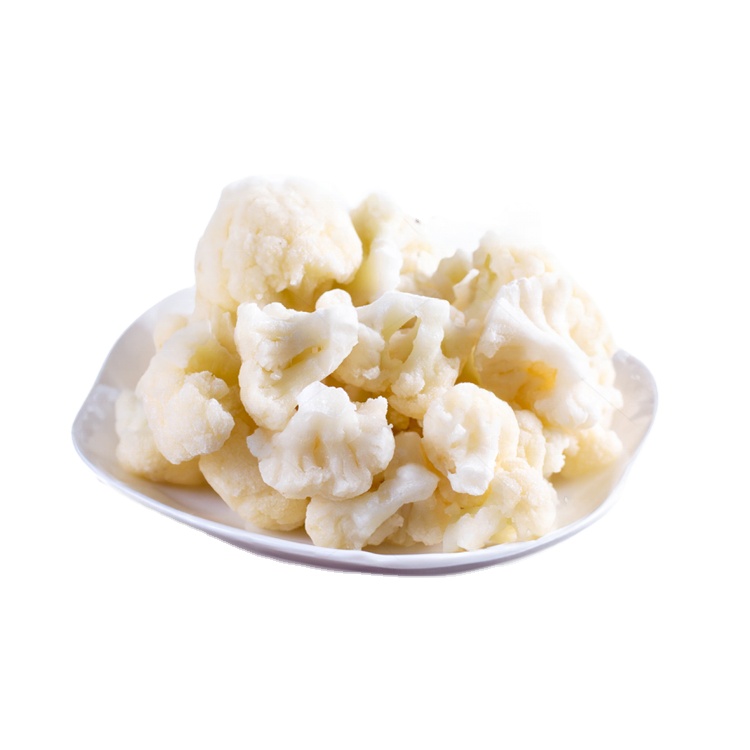
Modern freezing techniques preserve the cellular structure and nutritional integrity of fresh vegetables, ensuring that frozen alternatives retain their original vitamin content, mineral density, and natural flavors. The latest harvest brings exceptional quality standards that exceed traditional expectations for frozen produce. Premium processing facilities utilize rapid freezing methods that lock in freshness within hours of harvest, creating products that often surpass the nutritional value of fresh vegetables that have traveled long distances or sat in storage for extended periods.
State-of-the-art Individual Quick Freezing technology ensures that each piece of frozen cauliflower maintains its distinct shape and texture. This process prevents the formation of large ice crystals that can damage cellular walls and compromise quality. The rapid temperature reduction from harvest to frozen state occurs within a carefully controlled timeframe, preserving the vegetable's natural crunch and preventing the mushy texture often associated with inferior frozen products.
Temperature monitoring systems throughout the freezing process maintain optimal conditions at every stage. Specialized equipment creates uniform air circulation patterns that ensure consistent freezing across all product surfaces. Quality control measures include regular testing for moisture content, texture retention, and color preservation to guarantee that every batch meets rigorous standards for commercial and retail distribution.
Peak harvest timing determines the ultimate quality of frozen vegetables. Cauliflower reaches optimal nutritional density and flavor profile at specific maturity stages, requiring precise coordination between agricultural teams and processing facilities. Field selection involves evaluating head size, color uniformity, and firmness to ensure only premium specimens enter the freezing process.
Pre-processing preparation includes careful washing, trimming, and cutting procedures that maintain product integrity. Blanching processes remove surface bacteria while preserving essential nutrients and enzymes. The entire sequence from field to freezer typically completes within six to eight hours, minimizing nutrient degradation and ensuring maximum freshness retention in the final product.
Frozen cauliflower retains impressive levels of vitamin C, vitamin K, and folate through proper processing techniques. Studies indicate that frozen vegetables often contain higher nutrient concentrations than fresh produce that has undergone extended transportation and storage periods. The immediate freezing process halts enzymatic reactions that would otherwise degrade vitamin content over time.
Mineral content remains stable throughout the freezing process, with calcium, potassium, and magnesium levels showing minimal variation from fresh counterparts. The absence of chemical preservatives in premium frozen vegetables makes them suitable for clean-label applications and health-focused menu development. Antioxidant compounds maintain their protective properties, supporting immune system function and cellular health benefits.
Low-carbohydrate dietary programs benefit significantly from frozen cauliflower versatility. Rice substitutes, pizza crusts, and mashed alternatives provide familiar textures while reducing caloric density. The neutral flavor profile accommodates diverse seasoning applications, making it suitable for international cuisine adaptations and specialized dietary requirements.
Gluten-free applications have driven increased demand for cauliflower-based alternatives in both retail and food service sectors. Professional chefs appreciate the consistent quality and reliable availability that frozen cauliflower provides for menu planning and inventory management. The extended shelf life reduces food waste while ensuring consistent product availability throughout seasonal variations in fresh produce markets.
Food service operations rely on frozen vegetables for consistent quality, reduced labor costs, and minimized waste. Portion control becomes more precise with pre-cut frozen products, enabling accurate cost calculations and standardized serving sizes. The elimination of prep time associated with fresh vegetables allows kitchen staff to focus on cooking techniques and presentation rather than time-intensive preparation tasks.
Storage efficiency improves dramatically with frozen alternatives, as products maintain quality for extended periods without refrigeration space constraints. Bulk purchasing opportunities reduce per-unit costs while ensuring steady supply availability. Menu consistency across multiple locations becomes achievable when using standardized frozen ingredients that deliver uniform results regardless of seasonal variations or regional supply challenges.
Consumer purchasing patterns show increasing preference for premium frozen vegetables that offer convenience without quality compromise. Health-conscious shoppers recognize the nutritional advantages of properly frozen produce, particularly during off-season periods when fresh alternatives may be less appealing or more expensive. Private label opportunities allow retailers to differentiate their offerings while maintaining competitive pricing structures.
Packaging innovations enhance product visibility and consumer appeal through clear windows, resealable closures, and informative labeling that highlights nutritional benefits and preparation suggestions. Point-of-sale materials educate consumers about proper cooking techniques and recipe applications, increasing purchase frequency and customer satisfaction levels across diverse demographic segments.
Maintaining consistent freezer temperatures at or below zero degrees Fahrenheit ensures maximum quality retention throughout storage periods. Temperature fluctuations can cause ice crystal formation and texture degradation, making proper equipment maintenance essential for both commercial and residential applications. First-in-first-out rotation principles prevent extended storage that might compromise product quality.
Packaging integrity plays a crucial role in preventing freezer burn and moisture loss. Vacuum-sealed packages provide superior protection compared to traditional packaging methods, extending usable life and maintaining optimal texture characteristics. Proper handling procedures during transport and storage prevent physical damage that could compromise package seals and product quality.
Steam cooking methods preserve texture and nutritional content while providing consistent results across different batch sizes. Roasting techniques develop caramelized flavors that enhance natural sweetness without requiring additional seasonings or sauces. Stir-frying applications benefit from the firm texture that frozen cauliflower maintains after proper thawing procedures.
Thawing procedures significantly impact final texture quality, with gradual refrigerator thawing producing superior results compared to rapid microwave or room temperature methods. Direct cooking from frozen state works well for many applications, eliminating thawing time while preserving cellular structure and preventing excess moisture release during cooking processes.
Frozen cauliflower often retains higher nutrient levels than fresh produce that has traveled long distances or been stored for extended periods. The rapid freezing process preserves vitamin C, vitamin K, and folate content at near-peak levels. Studies show that properly frozen vegetables can contain up to 20% more nutrients than fresh alternatives that have undergone typical retail distribution cycles.
Premium frozen cauliflower maintains peak quality for 12 to 18 months when stored at consistent temperatures below zero degrees Fahrenheit. Package integrity and proper handling prevent freezer burn and texture degradation. Commercial operations should implement first-in-first-out inventory rotation to ensure consistent quality standards across all product usage.
Many cooking applications work well with frozen cauliflower used directly from the freezer. Roasting, steaming, and stir-frying methods produce excellent results without pre-thawing. However, applications requiring specific textures or marinading may benefit from controlled thawing processes to achieve desired consistency and flavor absorption.
Premium frozen vegetables utilize advanced Individual Quick Freezing technology and stricter harvest timing controls. Higher quality standards include better field selection, faster processing times, and superior packaging methods. These factors result in better texture retention, enhanced flavor preservation, and extended storage life compared to standard frozen alternatives.
 Hot News
2026-05-29
2026-05-27
2026-05-26
2026-05-22
2026-05-20
2026-05-20
WYL Foods specializes in high-quality frozen food production, offering a wide range of safe, nutritious, and delicious products. As a trusted global supplier, we ensure consistent quality, fast delivery, and customized solutions for retailers and food service providers.
No. 87, Fuzhou South Road, Shinan District, Qingdao City, Shandong Province, Room 2201
Copyright © 2026 Qingdao Wyl Imp. & Exp. Co., Ltd. All rights reserved. Privacy Policy

 EN
EN