×
×
Proper storage of frozen snow peas is crucial for maintaining their vibrant green color, crisp texture, and nutritional value over extended periods. Many commercial food processors and home cooks struggle with preserving the quality of frozen snow peas due to improper storage techniques that lead to freezer burn, color degradation, and texture loss. Understanding the science behind frozen vegetable storage and implementing proven preservation methods can significantly extend the shelf life of frozen snow peas while maintaining their premium quality characteristics.
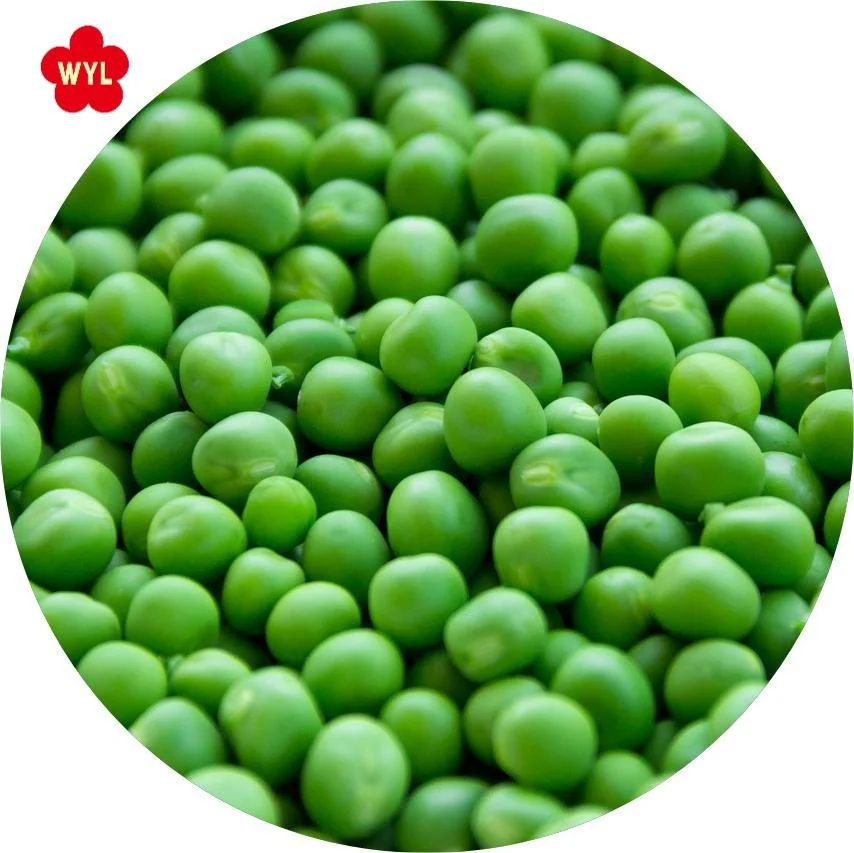
The foundation of proper frozen snow pea storage lies in maintaining consistent temperatures at or below zero degrees Fahrenheit. Temperature fluctuations are the primary enemy of frozen snow peas, causing ice crystal formation that damages cellular structure and compromises texture. Commercial freezers should maintain temperatures between -10°F to -20°F for optimal preservation, while home freezers must consistently operate at 0°F or lower.
Temperature monitoring becomes particularly critical during transportation and handling phases. Even brief exposure to temperatures above 10°F can initiate thawing processes that permanently alter the quality of frozen snow peas. Professional food service operations implement continuous temperature logging systems to ensure compliance with food safety standards and maintain product integrity throughout the supply chain.
Controlling moisture exposure is essential for preventing freezer burn and maintaining the crisp texture that makes frozen snow peas desirable. Excess moisture in storage environments leads to sublimation, where ice crystals form on the surface of frozen snow peas and gradually dehydrate the product. This process results in the characteristic white, dried appearance of freezer-burned vegetables.
Implementing proper vapor barrier techniques using high-quality packaging materials creates an effective moisture seal around frozen snow peas. Professional storage facilities utilize specialized freezer-grade packaging that incorporates multiple barrier layers to prevent moisture migration and maintain optimal humidity levels within individual packages.
Professional food processors rely on advanced packaging technologies specifically designed for frozen snow peas storage applications. Multi-layer laminated films provide superior barrier properties against oxygen, moisture, and light exposure, which are the three primary factors contributing to quality degradation in frozen vegetables. These specialized packaging systems often incorporate metallized layers that reflect light and provide additional protection against oxidation.
Vacuum packaging represents another highly effective method for storing frozen snow peas in commercial operations. By removing air from packages before sealing, vacuum systems eliminate oxygen that would otherwise cause color fading and nutritional losses. The reduced air volume also minimizes the potential for ice crystal formation that can damage the delicate cellular structure of frozen snow peas.
Home storage of frozen snow peas requires careful attention to packaging materials and techniques to achieve professional-level results. Heavy-duty freezer bags with zip-lock closures provide adequate protection for short-term storage up to three months, while rigid plastic containers with tight-fitting lids offer superior protection for longer storage periods.
Double-wrapping techniques significantly improve storage outcomes for frozen snow peas in home environments. The initial layer of plastic wrap creates a primary moisture barrier, while an outer layer of aluminum foil provides additional protection against temperature fluctuations and light exposure that can accelerate quality deterioration.
Professional food service operations typically maintain frozen snow peas quality for 12 to 18 months when proper storage protocols are followed consistently. However, peak quality characteristics including color vibrancy, texture retention, and flavor profile are best preserved during the first 8 to 12 months of storage under optimal conditions.
Quality assessment protocols in commercial settings involve regular sampling and evaluation of frozen snow peas to monitor changes in appearance, texture, and nutritional content over time. These assessments help establish optimal rotation schedules and ensure that products meet quality standards before distribution to end customers.
Home storage of frozen snow peas should follow the first-in, first-out principle to ensure optimal quality when products are consumed. Proper labeling with storage dates helps track inventory and prevents extended storage beyond recommended timeframes. Most home-stored frozen snow peas maintain acceptable quality for 6 to 8 months when stored under proper conditions.
Regular freezer maintenance contributes significantly to frozen snow pea quality preservation in home environments. Defrosting and cleaning freezer units every 6 months removes ice buildup that can cause temperature fluctuations and ensures consistent storage conditions for frozen snow peas and other frozen products.
Light exposure accelerates chlorophyll degradation in frozen snow peas, leading to color changes from bright green to yellowish or brown hues. Storage areas should minimize exposure to both natural and artificial light sources to preserve the vibrant green color that consumers associate with high-quality frozen snow peas.
Commercial storage facilities often utilize opaque packaging materials and store products in areas with minimal lighting to prevent photodegradation. Home storage should follow similar principles by using opaque containers or storing frozen snow peas in darker areas of freezer compartments away from interior lighting.
Proper air circulation around stored frozen snow peas ensures uniform temperature distribution and prevents the formation of warm spots that can compromise product quality. Overcrowding freezer spaces restricts airflow and creates conditions conducive to temperature variations that negatively impact frozen snow peas.
Strategic organization of freezer inventory places frozen snow peas away from frequently accessed items to minimize temperature fluctuations caused by door openings. Maintaining adequate spacing between packages allows cold air to circulate effectively and maintains consistent storage temperatures throughout the freezer environment.
Regular visual inspection of stored frozen snow peas provides early detection of quality deterioration signs including color changes, ice crystal formation, and package integrity issues. Properly stored frozen snow peas should maintain their bright green color and show no signs of dehydration or freezer burn on surfaces.
Package swelling or ice formation outside of normal frost patterns indicates temperature abuse or packaging failures that compromise frozen snow peas quality. Identifying these issues early allows for corrective action before significant quality loss occurs, protecting both product investment and consumer satisfaction.
Periodic sampling and cooking tests help evaluate the texture retention and flavor quality of stored frozen snow peas over time. Properly stored products should maintain their characteristic crisp texture after cooking and retain the sweet, fresh flavor associated with high-quality frozen snow peas.
Changes in cooking characteristics, such as increased mushiness or loss of structural integrity, indicate cellular damage from improper storage conditions. Documenting these changes helps refine storage protocols and identify optimal consumption timeframes for maximum quality enjoyment.
Freezer burn represents the most common quality issue affecting stored frozen snow peas, manifesting as white or grayish patches on product surfaces. This condition results from moisture loss due to inadequate packaging or temperature fluctuations that cause sublimation of ice crystals within the product structure.
Prevention strategies focus on eliminating air exposure through proper packaging techniques and maintaining consistent storage temperatures. Using moisture-resistant packaging materials and ensuring complete air removal before sealing significantly reduces freezer burn risk in stored frozen snow peas.
Temperature abuse represents a critical threat to frozen snow peas quality during storage, transportation, and handling phases. Implementing temperature monitoring systems and establishing protocols for equipment maintenance helps identify and address temperature control issues before they impact product quality.
Recovery procedures for temperature-exposed frozen snow peas depend on the duration and severity of temperature abuse incidents. Products exposed to temperatures above 10°F for extended periods may require quality evaluation before consumption to ensure safety and acceptability standards are maintained.
Frozen snow peas can maintain optimal quality for 6 to 8 months in home freezers when stored at consistent temperatures of 0°F or below. Proper packaging using freezer-grade materials and minimizing exposure to temperature fluctuations helps preserve color, texture, and nutritional value throughout this storage period. After 8 months, quality gradually declines though the products remain safe for consumption.
Heavy-duty freezer bags, rigid plastic containers with airtight seals, and vacuum-sealed packages provide the best protection for frozen snow peas storage. Multi-layer packaging systems using plastic wrap combined with aluminum foil offer enhanced protection against moisture loss and temperature fluctuations. Commercial-grade packaging with vapor barrier properties delivers superior long-term storage results.
Frozen snow peas should not be refrozen after complete thawing as this process significantly compromises texture and quality characteristics. Partial thawing that leaves ice crystals intact may allow for successful refreezing with minimal quality loss. However, refrozen products will have reduced shelf life and may exhibit changes in texture and appearance compared to originally frozen snow peas.
Freezers should maintain temperatures at 0°F or lower for optimal frozen snow peas storage, with commercial operations targeting -10°F to -20°F for extended storage periods. Consistent temperature maintenance without fluctuations above 5°F ensures preservation of cellular structure and prevents quality degradation. Temperature monitoring systems help verify proper storage conditions and identify equipment issues before they affect product quality.
 Hot News
2026-05-29
2026-05-27
2026-05-26
2026-05-22
2026-05-20
2026-05-20
WYL Foods specializes in high-quality frozen food production, offering a wide range of safe, nutritious, and delicious products. As a trusted global supplier, we ensure consistent quality, fast delivery, and customized solutions for retailers and food service providers.
No. 87, Fuzhou South Road, Shinan District, Qingdao City, Shandong Province, Room 2201
Copyright © 2026 Qingdao Wyl Imp. & Exp. Co., Ltd. All rights reserved. Privacy Policy

 EN
EN