×
×
When sourcing bulk frozen raspberries for commercial food operations, bakeries, or large-scale culinary applications, understanding the key quality indicators becomes essential for making informed purchasing decisions. The frozen fruit market has evolved significantly, offering various grades and processing methods that directly impact the final product's taste, texture, and nutritional value. Professional buyers must evaluate multiple factors including freezing techniques, origin, certifications, and storage conditions to ensure they receive premium bulk frozen raspberries that meet their specific operational requirements.
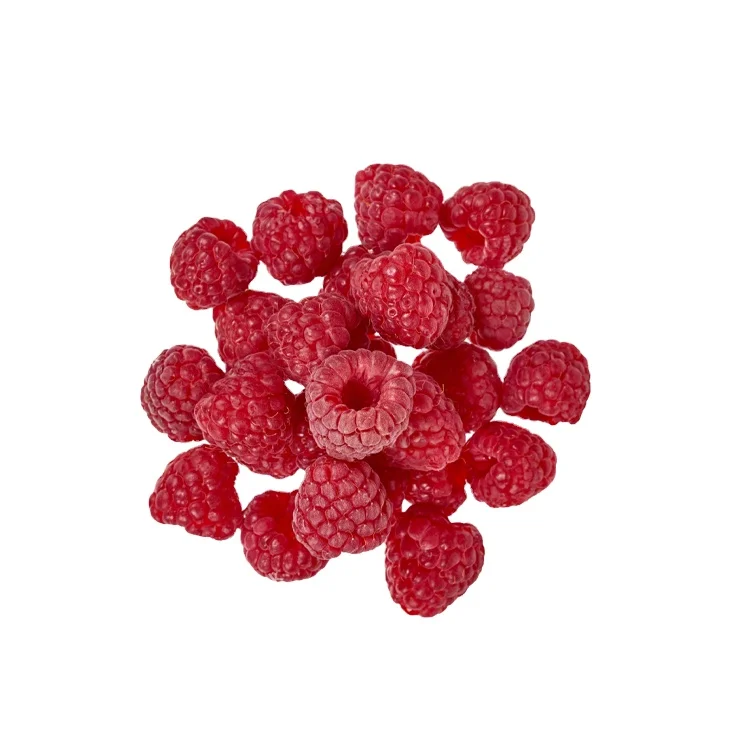
Individual Quick Freezing represents the gold standard for bulk frozen raspberries, preserving the fruit's cellular structure and preventing the formation of large ice crystals that can damage delicate raspberry tissues. This advanced freezing technique ensures that each berry maintains its shape, color, and nutritional integrity throughout the storage period. Professional food service operations benefit significantly from IQF bulk frozen raspberries because they thaw more evenly and retain better texture compared to conventionally frozen alternatives.
The IQF process involves exposing raspberries to extremely cold temperatures while maintaining constant air circulation, creating a protective frozen shell around each individual fruit. This method prevents berries from clumping together during storage and allows for easy portion control in commercial applications. When evaluating suppliers, ensure they utilize proper IQF equipment and maintain consistent temperature controls throughout the entire freezing process.
Premium bulk frozen raspberries should exhibit vibrant red coloration without brown spots, freezer burn, or excessive ice crystal formation on the surface. Visual inspection reveals crucial information about handling practices, storage conditions, and overall product quality. Fresh-frozen raspberries typically maintain their natural glossy appearance and firm structure, indicating proper harvesting timing and efficient processing methods.
Experienced buyers examine berry uniformity, looking for consistent sizing and minimal broken pieces that could indicate rough handling during processing or transportation. High-quality bulk frozen raspberries display minimal juice separation and maintain their characteristic drupelets structure, suggesting optimal ripeness at harvest and appropriate freezing techniques.
Different raspberry-growing regions produce fruit with varying flavor profiles, sugar content, and seasonal availability, making origin selection crucial for consistent bulk frozen raspberry supply chains. European varieties often feature intense tartness and firm texture, while North American raspberries tend toward sweeter profiles with softer flesh characteristics. Understanding these regional differences helps buyers select bulk frozen raspberries that align with their specific culinary applications and customer preferences.
Climate conditions, soil composition, and cultivation practices significantly influence raspberry quality and post-harvest characteristics. Suppliers who work directly with established growing regions typically offer better traceability and quality consistency compared to those sourcing from multiple unknown locations. Professional buyers should request detailed origin information and harvest date documentation to ensure optimal freshness and quality standards.
Peak raspberry harvest seasons vary globally, creating opportunities for year-round supply of premium bulk frozen raspberries through strategic sourcing from different hemispheres. Northern hemisphere harvests typically occur during summer months, while southern hemisphere production provides fresh supplies during winter periods. This seasonal rotation enables consistent quality and competitive pricing throughout the year.
Harvest timing directly affects sugar content, acidity levels, and overall flavor development in raspberries. Fruit picked at optimal ripeness demonstrates better freezing characteristics and maintains superior taste profiles after thawing. Suppliers who coordinate closely with growers regarding harvest scheduling typically deliver higher quality bulk frozen raspberries with enhanced shelf stability and customer satisfaction.
Professional-grade packaging plays a critical role in maintaining bulk frozen raspberry quality during transportation and storage periods. Multi-layer barrier films protect against moisture infiltration, oxygen exposure, and temperature fluctuations that can degrade product quality. Food-grade packaging materials should comply with relevant safety standards and provide adequate protection for extended storage periods.
Bulk packaging options range from institutional-sized bags to specialized containers designed for commercial food service operations. Proper packaging includes tamper-evident seals, clear labeling with production dates, and appropriate portion sizing for operational efficiency. Quality suppliers utilize vacuum-sealed packaging or modified atmosphere packaging to extend shelf life and maintain optimal product characteristics.
Maintaining consistent sub-zero temperatures throughout the supply chain ensures bulk frozen raspberries retain their quality, nutritional value, and food safety standards. Professional cold chain management involves temperature monitoring systems, insulated transportation vehicles, and proper storage facilities equipped with backup power systems. Temperature fluctuations can cause partial thawing and refreezing, leading to cellular damage and quality deterioration.
Effective cold chain protocols include temperature logging, regular equipment maintenance, and trained personnel who understand proper handling procedures for frozen fruit products. Buyers should verify suppliers maintain comprehensive cold chain documentation and possess appropriate certifications for frozen food handling and distribution.
Properly processed bulk frozen raspberries retain most of their original nutritional content, including vitamin C, dietary fiber, antioxidants, and essential minerals. Quick freezing techniques preserve these nutrients more effectively than extended storage of fresh raspberries, making frozen options nutritionally comparable or superior to fresh alternatives that have undergone long transportation periods.
Research indicates that frozen raspberries maintain their antioxidant properties and anthocyanin content when processed correctly and stored at appropriate temperatures. Professional food service operations benefit from consistent nutritional profiles that bulk frozen raspberries provide, enabling accurate nutritional labeling and menu planning for health-conscious consumers.
Reputable suppliers of bulk frozen raspberries maintain various food safety certifications including HACCP, SQF, BRC, or equivalent international standards that demonstrate commitment to product safety and quality control. These certifications require regular third-party audits, documented procedures, and continuous monitoring of critical control points throughout the production process.
Food safety protocols for bulk frozen raspberries include pathogen testing, pesticide residue analysis, and allergen management programs. Professional buyers should request current certification documents, laboratory test results, and detailed information about supplier quality assurance programs before establishing purchasing relationships.
Bulk frozen raspberry pricing fluctuates based on seasonal availability, crop yields, processing costs, and global market conditions. Understanding these factors helps buyers make strategic purchasing decisions and budget effectively for ongoing operations. Premium quality bulk frozen raspberries typically command higher prices but deliver better yield, consistency, and customer satisfaction in commercial applications.
Long-term contracts with reliable suppliers often provide price stability and guaranteed availability during peak demand periods. Professional buyers evaluate total cost of ownership including product quality, yield rates, waste reduction, and customer satisfaction when comparing bulk frozen raspberry suppliers rather than focusing solely on unit pricing.
Large volume purchases of bulk frozen raspberries typically provide significant cost savings, improved supplier relationships, and priority allocation during supply shortages. Volume discounts, reduced shipping costs per unit, and customized packaging options make bulk purchasing attractive for established food service operations and commercial kitchens.
Strategic volume purchasing requires adequate storage capacity, proper inventory management systems, and accurate demand forecasting to maximize benefits while minimizing waste. Successful bulk frozen raspberry programs balance cost savings with quality maintenance and operational efficiency throughout the supply chain.
Properly stored bulk frozen raspberries maintain optimal quality for 12-18 months when kept at consistent temperatures below 0°F (-18°C). However, they remain safe for consumption beyond this timeframe if properly handled and stored. Quality may gradually decline after extended storage periods, with changes in texture, color, and flavor becoming more noticeable. Commercial operations should implement first-in-first-out inventory rotation to ensure optimal product quality.
IQF bulk frozen raspberries are individually quick frozen, maintaining separate berry structure and allowing easy portion control. Block frozen raspberries are frozen together in solid blocks, requiring complete thawing before use and resulting in more juice release and structural breakdown. IQF processing preserves better texture, appearance, and nutritional value, making it preferred for most commercial applications despite higher processing costs.
Gradual thawing in refrigerated conditions produces the best texture and minimal juice loss for bulk frozen raspberries. Allow 6-8 hours for complete thawing at 35-40°F temperatures. For immediate use, cold water thawing provides faster results while maintaining quality. Avoid room temperature or microwave thawing, which can cause excessive juice loss and mushy texture unsuitable for most commercial applications.
While refreezing thawed bulk frozen raspberries is generally safe if handled properly, it significantly impacts quality, texture, and nutritional value. Refrozen raspberries become mushy and release excessive juice, making them unsuitable for applications requiring intact berry structure. Professional food operations should plan portions carefully to avoid waste and maintain optimal product quality throughout their preparation processes.
 Hot News
2026-05-29
2026-05-27
2026-05-26
2026-05-22
2026-05-20
2026-05-20
WYL Foods specializes in high-quality frozen food production, offering a wide range of safe, nutritious, and delicious products. As a trusted global supplier, we ensure consistent quality, fast delivery, and customized solutions for retailers and food service providers.
No. 87, Fuzhou South Road, Shinan District, Qingdao City, Shandong Province, Room 2201
Copyright © 2026 Qingdao Wyl Imp. & Exp. Co., Ltd. All rights reserved. Privacy Policy

 EN
EN