×
×
The global food industry has witnessed remarkable growth in demand for convenient, nutritious, and versatile ingredients, with frozen broccoli emerging as a cornerstone product in both ready-to-cook and foodservice markets. This nutrient-dense vegetable has transformed from a simple frozen commodity into an essential ingredient that meets the evolving needs of modern consumers and commercial food operations. The popularity of frozen broccoli stems from its exceptional nutritional profile, extended shelf life, and remarkable versatility in culinary applications across diverse market segments.
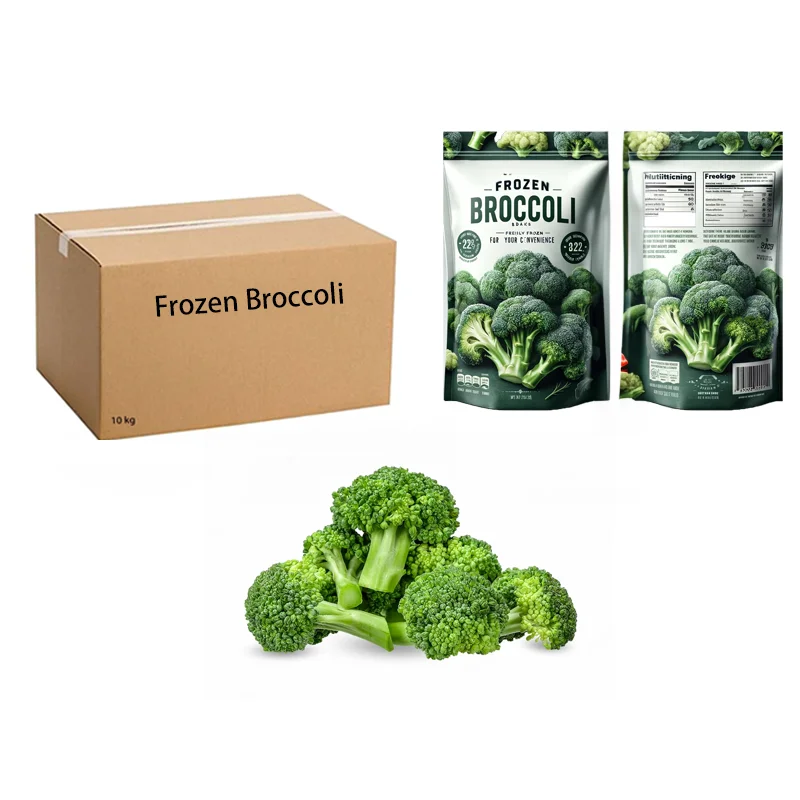
Commercial food processors and foodservice operators increasingly rely on frozen broccoli to maintain consistent product quality while reducing operational costs and food waste. The standardization of frozen broccoli processing techniques has enabled manufacturers to deliver uniform products that meet strict quality specifications demanded by large-scale food operations. This consistency proves particularly valuable for restaurant chains, institutional kitchens, and ready-meal manufacturers who require reliable ingredients to maintain their brand standards across multiple locations.
The advanced freezing technologies employed in frozen broccoli production ensure that essential vitamins and minerals remain largely intact throughout the preservation process. Studies consistently demonstrate that frozen broccoli retains comparable levels of vitamin C, folate, and antioxidants to fresh varieties, particularly when vegetables are processed immediately after harvest. The rapid blanching and flash-freezing process actually helps lock in nutrients that might otherwise degrade during extended transportation and storage of fresh produce.
Food manufacturers appreciate that frozen broccoli provides reliable nutritional consistency across different production batches, enabling them to make accurate nutritional claims on their finished products. This predictability becomes crucial when developing ready-to-cook meals that must meet specific dietary guidelines or nutritional targets established by health-conscious consumers and regulatory bodies.
The remarkable shelf stability of frozen broccoli addresses one of the most significant challenges facing foodservice operations: inventory management and food waste reduction. Unlike fresh broccoli that typically maintains optimal quality for only seven to ten days under proper refrigeration, frozen broccoli can maintain its nutritional value and culinary properties for up to twelve months when stored correctly.
This extended shelf life enables foodservice operators to maintain consistent menu offerings regardless of seasonal availability or supply chain disruptions. Restaurants can stock frozen broccoli during peak harvest seasons when prices are most favorable, providing cost stability throughout the year while ensuring continuous product availability for their customers.
Commercial kitchens and food processing facilities benefit significantly from the pre-cleaned, pre-cut nature of frozen broccoli products. The elimination of washing, trimming, and cutting operations translates directly into reduced labor costs and improved operational efficiency. Kitchen staff can focus on more complex culinary tasks while relying on frozen broccoli for consistent results in their vegetable preparations.
The standardized sizing and uniform texture of frozen broccoli florets ensure predictable cooking times and consistent presentation across different preparation methods. This standardization proves particularly valuable for large-scale food operations where consistency and efficiency directly impact profitability and customer satisfaction.
Frozen broccoli offers foodservice operators and food manufacturers protection against the price volatility commonly associated with fresh produce markets. The ability to purchase and store frozen broccoli in larger quantities provides opportunities for volume pricing advantages and reduces the frequency of procurement activities required to maintain adequate inventory levels.
The reduced dependency on daily or weekly fresh produce deliveries also minimizes supply chain risks associated with weather disruptions, transportation delays, or seasonal shortages that can impact fresh broccoli availability. This reliability enables food businesses to maintain consistent menu offerings and production schedules regardless of external market conditions.
The versatile nature of frozen broccoli makes it an ideal ingredient for diverse ready-to-cook applications, from steam-in-bag products to complex frozen entrees. The vegetable performs exceptionally well across various cooking methods including steaming, stir-frying, roasting, and microwave preparation, maintaining its structural integrity and nutritional value regardless of the chosen cooking technique.
Food product developers particularly value frozen broccoli for its ability to complement diverse flavor profiles and cuisines. Whether incorporated into Asian-inspired stir-fries, Mediterranean-style grain bowls, or classic American casseroles, frozen broccoli provides consistent texture and nutritional enhancement without overwhelming other ingredient flavors.
The food industry continues to innovate with frozen broccoli as a primary ingredient in new product categories including plant-based protein alternatives, vegetable-enhanced pasta products, and nutritionally fortified convenience foods. The stable characteristics of frozen broccoli enable manufacturers to experiment with complex processing techniques while maintaining predictable end-product quality.
Ready-to-cook meal manufacturers increasingly incorporate frozen broccoli into premium product lines targeting health-conscious consumers seeking convenient nutrition solutions. The vegetable's association with healthy eating habits and its visual appeal in finished products makes it an attractive ingredient for premium positioning in competitive retail markets.
Restaurant chains and institutional foodservice providers rely heavily on frozen broccoli to ensure consistent quality and presentation across multiple service locations. The standardized processing and packaging of frozen broccoli eliminates variables associated with fresh produce selection, ripeness, and seasonal quality fluctuations that can impact customer experience and brand perception.
The ability to train kitchen staff on standardized preparation procedures for frozen broccoli reduces operational complexity and improves service consistency. This standardization becomes particularly important for franchised operations where maintaining brand standards across diverse geographic markets requires reliable ingredient performance.
Foodservice operators appreciate the precise portion control capabilities offered by frozen broccoli products. Pre-portioned packages and consistent piece sizes enable accurate cost calculation and portion standardization, contributing to improved profit margin management and reduced food waste through over-portioning.
The predictable pricing structure of frozen broccoli contracts provides foodservice operators with greater financial planning capabilities compared to volatile fresh produce markets. This cost predictability enables more accurate menu pricing and improved budget forecasting for food and beverage operations.
The controlled processing environment used in frozen broccoli production provides enhanced food safety assurance compared to fresh produce handling chains. The blanching process effectively reduces microbial loads while the frozen storage temperatures prevent bacterial growth throughout the distribution and storage phases.
Commercial food operations benefit from the reduced food safety risks associated with frozen broccoli, as the product undergoes rigorous quality control testing and maintains consistent safety standards throughout its extended shelf life. This reliability reduces the risk of foodborne illness incidents that could damage business reputation and generate significant liability exposure.
Modern frozen broccoli processing facilities maintain comprehensive documentation systems that enable complete product traceability from farm to final consumer. This documentation capability proves essential for foodservice operators and food manufacturers who must comply with increasingly stringent food safety regulations and audit requirements.
The batch coding and tracking systems employed in frozen broccoli production facilitate rapid identification and removal of affected products in the unlikely event of quality issues or contamination concerns. This traceability capability provides additional protection for food businesses and demonstrates due diligence in food safety management.
The extended shelf life and consistent quality of frozen broccoli contribute significantly to food waste reduction throughout the supply chain. Unlike fresh broccoli that may spoil before consumption, frozen broccoli maintains its quality until actual use, eliminating waste associated with deterioration during storage and handling.
Food manufacturers and foodservice operators can more accurately predict their frozen broccoli consumption patterns and adjust purchasing accordingly, reducing the overordering that often leads to food waste in operations using fresh produce. This improved inventory management contributes to both cost savings and environmental sustainability objectives.
Frozen broccoli production enables optimal utilization of seasonal harvest peaks, capturing vegetables at their nutritional and flavor prime while extending their useful life throughout the year. This seasonal optimization reduces the environmental impact associated with greenhouse production or long-distance transportation of fresh broccoli during off-season periods.
The ability to process and freeze broccoli during peak harvest seasons also supports agricultural sustainability by providing farmers with stable markets for their entire crop yield, reducing the economic pressure to maximize production during limited fresh market windows.
The increasing consumer focus on healthy eating habits continues to drive demand for frozen broccoli across both retail and foodservice markets. As consumers become more aware of nutritional content and seek convenient ways to increase vegetable consumption, frozen broccoli provides an accessible solution that meets both convenience and health objectives.
Food manufacturers respond to this trend by featuring frozen broccoli prominently in product formulations and marketing communications, emphasizing the vegetable's nutritional benefits and natural appeal to health-conscious consumers. This positioning strategy helps differentiate products in competitive markets while appealing to growing demographic segments prioritizing nutritional value.
Continued improvements in freezing technology and packaging innovations enhance the quality and convenience of frozen broccoli products. Advanced individually quick frozen techniques preserve more natural texture and appearance while extended barrier packaging technologies maintain quality throughout longer distribution chains.
These technological advances enable frozen broccoli to compete more effectively with fresh alternatives while providing superior convenience and reliability for commercial food operations. The ongoing development of processing techniques promises even greater quality improvements and expanded application possibilities for frozen broccoli in diverse food products.
Frozen broccoli retains virtually all of its nutritional value through the flash-freezing process, often containing comparable or even higher levels of certain vitamins and antioxidants compared to fresh broccoli that has been stored for extended periods. The immediate processing after harvest helps preserve nutrients that might otherwise degrade during transportation and storage of fresh produce.
Frozen broccoli maintains optimal quality when stored at consistent temperatures of 0°F (-18°C) or below in moisture-proof packaging. Proper storage prevents freezer burn and maintains texture integrity, allowing the product to retain its culinary and nutritional properties for up to twelve months from the processing date.
The best preparation results come from cooking frozen broccoli directly from the frozen state without thawing, using methods such as steaming, stir-frying, or roasting. Avoiding pre-thawing prevents moisture loss and maintains the vegetable's structural integrity, resulting in better texture and appearance in finished dishes.
The cost-effectiveness of frozen broccoli stems from reduced labor costs for preparation, elimination of trimming waste, predictable pricing structures, extended shelf life that reduces spoilage losses, and consistent portion control that improves inventory management and reduces over-portioning waste in foodservice operations.
 Hot News
2026-05-29
2026-05-27
2026-05-26
2026-05-22
2026-05-20
2026-05-20
WYL Foods specializes in high-quality frozen food production, offering a wide range of safe, nutritious, and delicious products. As a trusted global supplier, we ensure consistent quality, fast delivery, and customized solutions for retailers and food service providers.
No. 87, Fuzhou South Road, Shinan District, Qingdao City, Shandong Province, Room 2201
Copyright © 2026 Qingdao Wyl Imp. & Exp. Co., Ltd. All rights reserved. Privacy Policy

 EN
EN