×
×
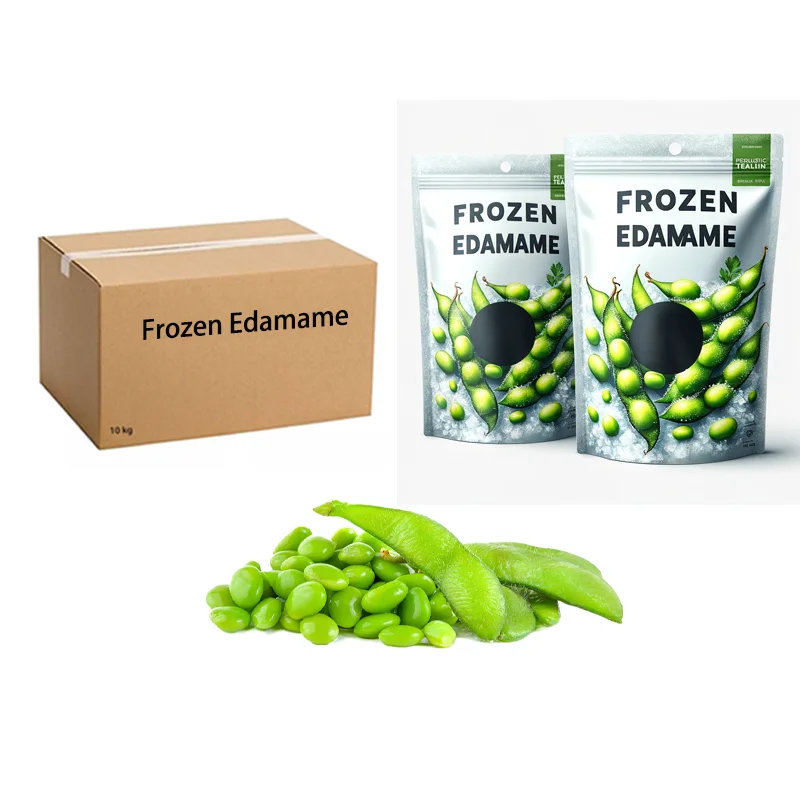
The global demand for premium frozen vegetables has reached unprecedented levels, with businesses and consumers increasingly seeking high-quality, nutritious options that maintain their freshness and nutritional value. Among these sought-after products, frozen edamame stands out as a versatile, protein-rich legume that has captured the attention of food service operators, retailers, and health-conscious consumers worldwide. The latest harvest from leading suppliers offers exceptional quality standards, featuring greenhouse-grown soybeans that undergo careful processing to preserve their natural taste, texture, and nutritional benefits.
Modern frozen vegetable processing employs sophisticated blanching techniques that ensure optimal preservation of nutrients and flavor profiles. The blanching process involves precise temperature control and timing to deactivate enzymes that could compromise product quality during storage. For frozen edamame specifically, this process maintains the vibrant green color and firm texture that consumers expect from premium products. Professional-grade equipment ensures uniform heat distribution, preventing overcooking while achieving the necessary enzyme inactivation.
The blanching stage also serves as a critical food safety step, reducing microbial loads and extending shelf life without compromising nutritional integrity. Advanced systems monitor temperature fluctuations in real-time, ensuring each batch meets strict quality specifications. This attention to detail distinguishes premium frozen vegetables from standard offerings, providing customers with consistent results in both commercial and retail applications.
Individual Quick Freezing technology represents the gold standard in frozen vegetable preservation, creating smaller ice crystals that minimize cellular damage during the freezing process. This method preserves the natural texture and appearance of vegetables while maintaining maximum nutritional value. The rapid freezing process prevents the formation of large ice crystals that can rupture cell walls, ensuring that thawed products retain their original structure and mouthfeel.
IQF processing also enables better portion control and convenience for end users, as individual pieces remain separate rather than forming frozen blocks. This characteristic proves particularly valuable for food service operations requiring precise measurements and consistent cooking results. The technology investment required for proper IQF systems reflects the commitment to delivering superior frozen vegetable products that meet professional culinary standards.
Edamame provides one of the most complete plant-based protein sources available, containing all nine essential amino acids required for human nutrition. This makes frozen edamame an excellent choice for vegetarian and vegan applications, as well as general protein supplementation in various dietary programs. Each serving delivers approximately eight grams of high-quality protein, rivaling many animal-based sources while providing additional fiber and micronutrients.
The protein quality in edamame surpasses most other legumes due to its balanced amino acid composition, particularly high levels of lysine, which is often limiting in plant proteins. This nutritional profile supports muscle maintenance, satiety, and metabolic function, making it valuable for health-focused menu development. Food manufacturers increasingly incorporate edamame into protein-enriched products, recognizing its superior nutritional contribution compared to traditional protein sources.
Beyond protein content, frozen edamame delivers exceptional levels of folate, vitamin K, and magnesium, supporting cardiovascular health and bone density maintenance. The folate content proves particularly significant for pregnant women and individuals with elevated homocysteine levels, as adequate folate intake supports proper DNA synthesis and cellular function. These micronutrients remain stable throughout proper freezing and storage processes, ensuring consistent nutritional delivery.
The magnesium content in edamame contributes to over 300 enzymatic reactions within the human body, supporting energy metabolism, nerve function, and muscle contraction. This mineral often proves deficient in modern diets, making edamame inclusion valuable for nutritional optimization. Additionally, the natural isoflavones present in soybeans provide antioxidant benefits and may support hormonal balance, though individual responses vary based on genetic factors and overall dietary patterns.
Restaurant operators and institutional food service providers increasingly incorporate frozen edamame into their menu offerings due to its versatility and consistent preparation characteristics. The product works equally well as an appetizer, salad component, or protein addition to various ethnic cuisines. Its quick cooking time and minimal preparation requirements make it ideal for high-volume operations where efficiency and consistency are paramount concerns.
Many establishments appreciate the extended shelf life and reduced waste associated with frozen edamame compared to fresh alternatives. The product maintains quality for extended periods when properly stored, allowing for better inventory management and cost control. Additionally, the uniform sizing and appearance of quality frozen edamame ensures consistent presentation across multiple service occasions, supporting brand standards and customer expectations.
Retail success with frozen edamame depends on effective positioning within the frozen vegetable category while highlighting its unique nutritional benefits and culinary applications. Consumer education plays a crucial role in driving trial and repeat purchases, as many shoppers remain unfamiliar with preparation methods and serving suggestions. Strategic placement near other Asian ingredients or in dedicated health food sections can improve visibility and sales performance.
Package design and messaging should emphasize convenience, nutrition, and versatility to appeal to time-conscious consumers seeking healthy meal components. Clear cooking instructions and serving suggestions help reduce purchase barriers and encourage experimentation with new recipes. Premium positioning reflects the superior growing and processing methods used in quality frozen edamame production, justifying higher price points compared to standard frozen vegetables.
Greenhouse cultivation provides superior environmental control compared to field-grown alternatives, resulting in more consistent quality and reduced exposure to weather-related risks. This controlled environment enables precise management of temperature, humidity, and nutrient delivery, optimizing growing conditions for maximum yield and nutritional content. The protection from external contaminants and pests reduces the need for chemical interventions, supporting cleaner production methods.
Year-round production capability through greenhouse systems ensures steady supply availability regardless of seasonal variations or climate disruptions. This reliability proves essential for commercial customers requiring consistent product access for their operations. The ability to harvest at optimal maturity levels, rather than being constrained by weather windows, results in superior flavor and texture characteristics in the final frozen product.
Halal certification provides market access to Muslim consumers while demonstrating commitment to rigorous quality and cleanliness standards that benefit all customers. The certification process involves comprehensive facility inspections, ingredient verification, and ongoing monitoring to ensure compliance with Islamic dietary laws. This attention to detail often results in elevated overall quality standards that exceed basic food safety requirements.
The certification process requires detailed documentation of all processing steps, ingredient sources, and handling procedures, creating transparency throughout the supply chain. This level of oversight typically identifies potential quality issues before they impact final products, resulting in more consistent outcomes. Many non-Muslim consumers also recognize halal certification as an indicator of quality and ethical production practices, expanding market appeal beyond the initial target demographic.
Proper frozen storage requires maintaining consistent temperatures at or below negative eighteen degrees Celsius to preserve product quality and extend shelf life. Temperature fluctuations can cause ice crystal formation and sublimation, leading to texture degradation and moisture loss over time. Professional storage facilities employ monitoring systems that track temperature variations and alert operators to potential equipment failures before product damage occurs.
Distribution chains must maintain the cold chain integrity from processing facility to final destination, requiring specialized transportation and handling equipment. This investment in proper logistics ensures that frozen edamame reaches customers in optimal condition, supporting brand reputation and customer satisfaction. Training programs for handling personnel help minimize temperature abuse during loading, unloading, and storage transitions.
First-in-first-out rotation practices ensure optimal product freshness and minimize waste from extended storage periods. Clear date coding and batch identification systems enable efficient tracking and rotation management, supporting quality assurance programs. Regular inventory audits help identify slow-moving products before quality degradation becomes a concern, enabling proactive marketing or redistribution efforts.
Automated inventory management systems can track storage duration and alert managers when products approach recommended use-by dates. This technology integration reduces human error in rotation practices while providing data for demand forecasting and purchasing optimization. Proper rotation practices also support compliance with food safety regulations and quality certification requirements.
Greenhouse cultivation provides controlled environmental conditions that result in more consistent quality, reduced pesticide exposure, and optimal harvest timing. The protected growing environment enables precise management of nutrients, water, and temperature, resulting in superior flavor development and nutritional content compared to field-grown alternatives that face weather variability and pest pressure.
Professional blanching processes are designed to minimize nutritional losses while achieving necessary food safety and quality objectives. The brief exposure to controlled heat deactivates enzymes that would otherwise degrade nutrients during storage, actually preserving more vitamins and minerals than would remain in fresh products stored for extended periods. Proper blanching techniques retain approximately ninety percent of original nutritional content.
Quality frozen edamame should carry relevant food safety certifications such as HACCP, along with any specific dietary certifications like halal or kosher if required for target markets. Organic certification may be important for certain market segments, while third-party quality audits provide additional assurance of processing standards. Buyers should verify that suppliers maintain current certifications and can provide documentation upon request.
When stored at consistent temperatures below negative eighteen degrees Celsius, quality frozen edamame typically maintains optimal taste, texture, and nutritional value for twelve to eighteen months from the processing date. However, products often remain safe for consumption well beyond this timeframe, though some quality degradation may occur. Proper packaging and storage conditions significantly influence actual shelf life performance in real-world applications.
 Hot News
2026-05-29
2026-05-27
2026-05-26
2026-05-22
2026-05-20
2026-05-20
WYL Foods specializes in high-quality frozen food production, offering a wide range of safe, nutritious, and delicious products. As a trusted global supplier, we ensure consistent quality, fast delivery, and customized solutions for retailers and food service providers.
No. 87, Fuzhou South Road, Shinan District, Qingdao City, Shandong Province, Room 2201
Copyright © 2026 Qingdao Wyl Imp. & Exp. Co., Ltd. All rights reserved. Privacy Policy

 EN
EN