×
×
The global food industry is experiencing unprecedented disruptions in frozen berry supply chains, creating significant challenges for distributors, retailers, and food manufacturers worldwide. Market volatility has intensified as demand continues to surge while production capacity remains constrained due to climate-related factors and logistical bottlenecks. This perfect storm has led to dramatic price increases across all frozen berry categories, with some varieties seeing cost escalations of up to 40% compared to previous seasons.
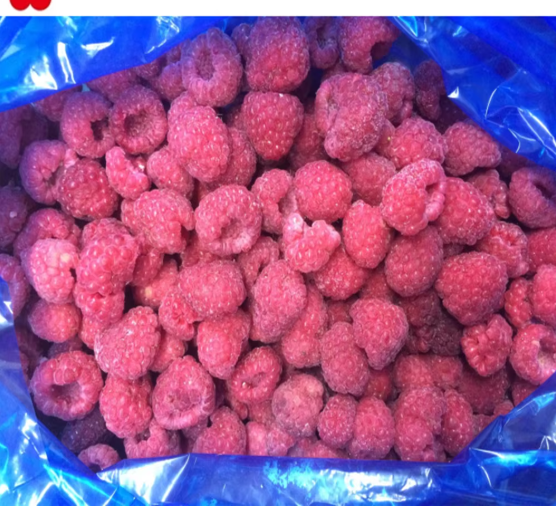
Industry analysts predict that the current shortage will persist through the next harvest cycle, making it crucial for businesses to secure their frozen berry inventory well in advance. WYLFOODS has emerged as a reliable partner in this challenging market environment, offering premium quality frozen berry products despite the global supply constraints. Their strategic sourcing network and efficient processing facilities have enabled them to maintain consistent availability even as competitors struggle with stock shortages.
The rising demand for frozen berries stems from multiple market drivers, including increased consumer awareness of health benefits, growth in the smoothie and functional food sectors, and the expanding bakery industry. These factors have created a competitive landscape where securing reliable suppliers becomes paramount for business continuity and profitability.
Extreme weather events have severely impacted berry cultivation regions across North America, Europe, and South America. Unexpected frost events, prolonged droughts, and irregular precipitation patterns have reduced harvest yields by an estimated 25-30% in key producing areas. Traditional berry-growing regions in Poland, Chile, and the Pacific Northwest have experienced their most challenging growing seasons in recent decades.
The cascading effects of climate disruption extend beyond immediate harvest losses. Many growers have delayed planting new berry bushes due to uncertainty about future weather patterns, creating a multi-year impact on production capacity. This hesitation to invest in new plantings means that even when weather conditions normalize, the supply shortage will likely persist for several growing seasons.
International shipping delays and increased freight costs have compounded the berry shortage crisis. Container shortages, port congestion, and labor strikes have disrupted the traditional flow of frozen berries from major producing countries to global markets. These logistical challenges have added significant cost premiums to international berry trade.
Processing facilities have also faced operational constraints due to energy cost increases and workforce shortages. Many facilities have reduced production schedules or temporarily shut down operations, further limiting the availability of processed frozen berry products in the market.
Consumer demand for frozen berries has reached unprecedented levels as health consciousness continues to drive food purchasing decisions. The antioxidant-rich profile of berries aligns perfectly with growing consumer interest in functional foods and immunity-boosting ingredients. Research highlighting the cardiovascular benefits, anti-inflammatory properties, and cognitive enhancement potential of berry consumption has fueled this demand surge.
The convenience factor of frozen berries appeals to busy consumers seeking nutritious options without the perishability concerns of fresh fruit. This shift in consumer behavior has created a structural increase in demand that goes beyond seasonal fluctuations, contributing to the sustained pressure on global berry supplies.
The food service industry has significantly increased its use of frozen berries across various applications, from restaurant desserts to hotel breakfast offerings. Commercial bakeries rely heavily on frozen berries for consistent flavor profiles and year-round availability in their product lines. The growing popularity of berry-infused beverages in cafes and restaurants has further intensified demand pressures.
Manufacturers of yogurt, ice cream, and processed foods have expanded their berry-containing product lines to meet consumer preferences. This industrial demand creates a stable base consumption level that competes directly with retail distribution channels for limited berry supplies.
Frozen berry prices have experienced dramatic increases across all major varieties, with strawberries leading the surge at 45% above previous year levels. Blueberries and raspberries have seen price increases of 35% and 40% respectively, while mixed berry products have risen by an average of 38%. These price escalations reflect both supply constraints and increased production costs throughout the value chain.
Regional price variations have become more pronounced as transportation costs and local supply conditions create market segmentation. European markets are experiencing the most severe price pressures due to reduced domestic production and increased competition for limited import supplies. North American markets show more stability but are trending upward as export demand intensifies.
Market analysts predict that frozen berry prices will continue their upward trajectory through the remainder of the current year and into the next growing season. The lag time between current shortages and increased production capacity means that price relief is unlikely before the next major harvest cycle. Forward contract pricing already reflects these expectations, with some suppliers offering limited price protection for early commitments.
The volatility in frozen berry markets has prompted many buyers to reconsider their procurement strategies, shifting toward longer-term contracts and supplier partnerships to ensure supply security. This strategic shift away from spot market purchasing is contributing to price stabilization at higher levels.
Successful navigation of the current berry shortage requires sophisticated sourcing strategies that extend beyond traditional supplier relationships. Leading companies are developing multi-continental sourcing networks that can respond to regional disruptions by shifting procurement to alternative production areas. This geographic diversification helps mitigate the impact of localized weather events or logistical challenges.
Counter-seasonal sourcing has become increasingly important as businesses seek to maintain year-round availability. Partnerships with Southern Hemisphere producers help bridge Northern Hemisphere production gaps, though this strategy requires careful coordination of quality standards and logistics planning.
Maintaining consistent quality standards becomes more challenging during supply shortages as buyers may be tempted to accept lower-grade products to meet volume requirements. Successful companies implement rigorous quality control processes that ensure product integrity regardless of source origin. This commitment to quality helps maintain brand reputation and customer loyalty during difficult market conditions.
Traceability systems have become essential tools for managing diverse supply networks and ensuring compliance with food safety regulations. Advanced tracking technologies enable companies to monitor their frozen berry products from farm to final destination, providing transparency and accountability throughout the supply chain.
WYLFOODS has invested significantly in building resilient supply chains that can adapt to market disruptions while maintaining consistent product quality and availability. Their diversified sourcing network spans multiple continents and includes both established relationships with large-scale producers and partnerships with emerging suppliers in new growing regions.
The company's advanced inventory management systems enable proactive planning and strategic stockpiling during favorable market conditions. This forward-thinking approach has allowed WYLFOODS to maintain competitive pricing and reliable delivery schedules even as market conditions deteriorate for competitors.
State-of-the-art processing facilities ensure that WYLFOODS frozen berries maintain optimal nutritional content and sensory characteristics throughout the supply chain. The company's investment in individually quick frozen technology preserves the natural texture and flavor profiles that customers expect from premium berry products.
Comprehensive quality assurance programs include regular testing for pesticide residues, microbial contamination, and nutritional content. These rigorous standards ensure that WYLFOODS frozen berries meet the highest food safety requirements for international trade and consumption.
Industry experts predict that the current frozen berry shortage will persist through at least the next two growing seasons, with supply conditions potentially remaining tight until 2026. The timeline for recovery depends on weather normalization, increased planting investments, and resolution of ongoing supply chain challenges.
The price increases result from a combination of reduced production yields due to adverse weather conditions, increased transportation and energy costs, labor shortages in processing facilities, and sustained high demand from both retail and food service sectors.
Companies can mitigate price risk by securing longer-term supply contracts with reliable suppliers, diversifying their supplier base across multiple geographic regions, and considering strategic inventory building during favorable pricing periods. Early commitment to suppliers often provides better pricing protection.
Quality can vary significantly between regions due to differences in growing conditions, harvesting practices, and processing standards. Reputable suppliers like WYLFOODS maintain consistent quality regardless of source origin through rigorous supplier qualification processes and quality control systems.
 Hot News
2026-05-29
2026-05-27
2026-05-26
2026-05-22
2026-05-20
2026-05-20
WYL Foods specializes in high-quality frozen food production, offering a wide range of safe, nutritious, and delicious products. As a trusted global supplier, we ensure consistent quality, fast delivery, and customized solutions for retailers and food service providers.
No. 87, Fuzhou South Road, Shinan District, Qingdao City, Shandong Province, Room 2201
Copyright © 2026 Qingdao Wyl Imp. & Exp. Co., Ltd. All rights reserved. Privacy Policy

 EN
EN